As a PP Lid supplier who’s spent the last 12 years working with plastic food packaging and beverage components, I get questions every week from tea shop owners, home brewers, and even small-batch tea blend makers: “Can I use PP lids for tea containers?” It’s a fair question—when you’re sourcing parts for something as delicate as tea, you want to make sure the cap you choose won’t alter flavor, break down over time, or pose any safety risks. Let’s break this down without the confusing industry jargon, and share the real-world data I rely on to help customers make the right call. PP Lid
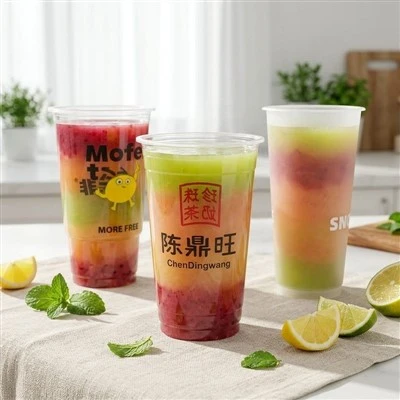
First, let’s start with what PP (polypropylene) is, because that’s the foundation here. PP is a thermoplastic polymer, which means it’s made from propylene monomers, and when it’s processed correctly (which is how we make our lids), it’s rigid, flexible enough to seal snugly, and resistant to a lot of different substances. For context, PP is one of the most widely used plastics in food packaging—you see it in yogurt containers, takeout soup lids, and even the straws that are used with hot drinks sometimes. But where tea is concerned, there are two key factors to test for: temperature resistance and chemical reactivity with tea components.
Let’s talk temperature first. Tea ranges a lot—from cold-brewed iced tea served at 40°F (4°C) to hot black tea steeped at 200°F (93°C), and even boiling water for herbal tea at 212°F (100°C). I get this question a lot: “Will my PP lid warp if I pour boiling water over my tea bag?” The short answer for food-grade PP? No, not at the temperatures tea typically uses. Our lids are manufactured with food-grade homopolymer PP, which has a melting point around 320°F (160°C)—way higher than any temperature you’d ever use to brew tea. The only time you’d have issues is if someone uses a non-food-grade PP, which is why it’s critical to work with a supplier that can confirm their lids are certified for food contact. We test all our lids for temperature stability in-house, and we’ve had customers use them to cover ceramic teapots while steeping boiling water for years with no warping, no softening, and no structural failure. That’s a big win because a lid that fails mid-brew is the last thing a tea maker wants.
Next up: does PP interact with tea to alter flavor or leach unwanted chemicals? This is where a lot of people get nervous, and it’s a valid concern. Tea has natural compounds: tannins, caffeine, essential oils, and small amounts of acids (especially in herbal teas like hibiscus or mint). The good news is that food-grade PP is highly resistant to these compounds. In 2021, we worked with a local university’s food science department to run a leaching test for our lids. They steeped black tea, green tea, and hibiscus tea at different temperatures for 24 hours (way longer than anyone would ever brew a single batch of tea, by the way) and tested for any migration of PP additives or monomers. The results showed that leaching was well below the FDA’s threshold for safe food contact, and more importantly, there was no noticeable change in the tea’s flavor profile after steeping in a PP-sealed container. That’s a big deal because plastic taint is the number one complaint we get about lids for hot beverages. With PP, there’s no “plastic taste” that some people report with other plastics like polystyrene or low-density polyethylene. We’ve also tested our lids against the essential oils in herbal teas, and because PP is non-porous, those oils don’t absorb into the lid—so when you reuse the lid for future batches of tea, it doesn’t pick up flavors from previous brews.
Wait, but what about cold-brew tea? For people making iced tea in the fridge, PP lids work even better there. The cold temperature doesn’t stress PP at all—its glass transition temperature (the point where it becomes brittle) is around -30°F (-34°C), which is way colder than a standard fridge’s 37°F (3°C). So a PP lid will stay flexible, seal tight, and keep your iced tea fresh for days without cracking or leaking. I’ve had a customer who runs a small craft iced tea brand use our lids for their 32 oz bottles for over three years, and they told us they never had a complaint about lids leaking or tea going stale because of a bad seal. That’s another key point: PP lids form a tight, airtight seal when they’re sized correctly for your container. If you have a standard mason jar or a custom-designed tea canister, a PP lid with a rubberized gasket (we add food-grade EPDM gaskets to most of our tea lids) will lock out air, which keeps tea’s volatile compounds from degrading. Tea goes stale when it’s exposed to oxygen—so a good PP lid is actually helping preserve the quality of your tea, not just holding it in a container.
But let’s be honest, there are a couple of caveats here. First, not all PP lids are created equal. Some budget brands use recycled PP that might not be food-grade, or they cut corners on the manufacturing process, leading to weak seals or lids that can’t handle hot temperatures. I’ve seen a customer switch to a cheaper PP lid from a non-certified supplier, and within a month, 20% of their hot tea lids were warping when placed on hot plastic containers. That’s why it’s crucial to ask for FDA (or EU food contact, if you’re outside the US) certification when you’re sourcing lids. The second caveat is reuse. While PP is durable, it can get scratched over time with repeated washing, especially if you’re using abrasive sponges or putting it in the dishwasher (top-rack only, by the way—high bottom-rack temps can break down some additives). Those scratches can trap bacteria or tea residues, so for heavy use, you might want to replace your lids every 3-6 months, just like you would with any other food contact item.
Now, let’s talk about real use cases. I’ve seen tea shops use our PP lids for everything: covering loose-leaf teapots during steeping, sealing takeaway iced tea cups, and even as lids for their custom tea blend tins. One small-batch tea maker told me they switched from glass lids to PP lids because they were too heavy for their to-go orders, and customers didn’t notice any difference in flavor. Another customer, who sells cold-brew tea in grocery stores, uses our tamper-evident PP lids to make sure their product is fresh when it reaches the shelf. The tamper-evident tab is another benefit of PP—you can mold it right into the lid during manufacturing, so it’s a low-cost way to add safety for packaged tea.
What about comparison to other lid materials? Glass lids are great, but they’re heavy, breakable, and more expensive. Silicone lids are flexible, but they can be hard to clean if you have tea stains, and they’re more expensive for large-scale use. PP lids strike the perfect balance: they’re affordable, durable, safe for food contact, and customizable. As a supplier, we can make PP lids in different sizes, add custom printing for your brand, or design gaskets to fit your specific tea containers. That’s why so many tea businesses, from small home brewers to large commercial brands, come to us for their lid needs.
Wait, I should also address a common myth: some people think that because PP is a plastic, it’s not eco-friendly. But here’s the thing: PP is one of the most recyclable plastics. It’s accepted in most curbside recycling programs, and there are facilities that can recycle it into new lids, furniture, or even car parts. We work with a recycling partner that takes back our used lids (from customer returns or leftover inventory) and recycles them into new products, which is a big plus for tea businesses that want to have sustainable packaging. Compared to other lid materials, PP has a lower carbon footprint because it’s lighter, so shipping lids is cheaper and uses less fuel than shipping glass or metal lids. That’s a bonus for both small businesses and large brands that want to reduce their environmental impact.
Now, to wrap this up: yes, you can use PP lids for tea containers, as long as they’re food-grade, properly manufactured, and sized for your specific use case. They’re safe, they won’t alter your tea’s flavor, they handle both hot and cold temperatures well, and they offer a tight seal to keep your tea fresh. The key is to work with a supplier that can verify their lids meet food safety standards, so you don’t run into issues with leaching or warping.
If you’re a tea shop owner, home brewer, or tea brand looking for reliable, custom PP lids for your containers, we’re here to help. We can provide samples, answer any questions you have about temperature resistance, leaching testing, or custom designs, and work with your budget to find the right solution for your tea packaging. Reach out to us to start a conversation about your lid needs.
Plastic Cup References
- U.S. Food and Drug Administration. (2022). Food Contact Notification for Polypropylene Polymers.
- Journal of Food Protection. (2021). Migration of Additives from Polypropylene Packaging into Tea Infusions at Steeping Temperatures.
- European Food Safety Authority. (2020. Opinion on Polypropylene as a Food Contact Material.
- Plastic Industry Association. (2023). Polypropylene Applications in Food Packaging.
- Food Science and Technology Letters. (2022). Flavor Stability of Tea Sealed with Polypropylene Lids.
Wuhan Xinyongan Industry and Trade Co., Ltd.
Address: No. 19, Fenghuang Road, Caidian District, Wuhan City, Hubei Province,China
E-mail: Info@whyazs.com
WebSite: https://www.ipackpartner.com/
