If you’ve ever had blood drawn, you might’ve stared at that tiny plastic and metal thing the nurse holds, maybe even noticed the little bump right where the tube clips on— that’s the hub. I’m gonna be real with you, when I first started in this disposable venous blood collection needle game, I thought it was just a random plastic cap, nothing more than something to hold the needle and keep the sharp end from poking anyone. Spoiler: I was so wrong. Now, as a supplier who’s been helping labs, clinics, and even home health teams get consistent, safe needles for years, the hub is like the unsung MVP of the whole device— it’s not just a part, it’s the glue that makes the whole blood draw work without a hitch. Disposable Venous Blood Collection Needles
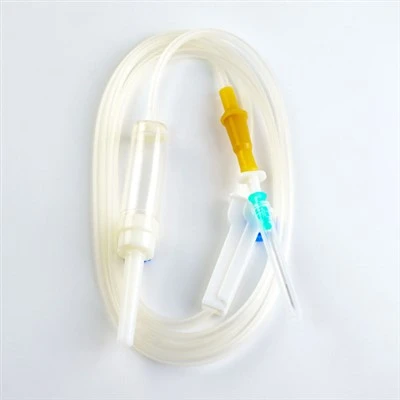
Let’s start with the basics everyone skips because blood draws feel so routine. A venous blood collection needle isn’t just a needle attached to a tube that slides into a vacutainer— that’s the basic set up, right? But the hub is the junction point between the needle (the sharp part that goes into your vein) and the vacuum tube holder. Before hubs were standardized, early needles had issues that no one thought much about until we fixed them. Like, back in the day, if you messed up the angle when clipping the tube to the needle, blood would spray everywhere, or the vacuum would leak so bad you couldn’t get a full sample. Nurses had to hold the needle at a perfect tilt, which was stressful and sometimes led to awkward sticks, especially with anxious patients. That’s where the hub comes in. It’s designed to create a airtight seal between the needle’s internal channel and the vacutainer’s top, so the vacuum draws blood smoothly and consistently, no leaks, no lost samples.
Wait, let’s get a little more specific, no fancy jargon I know you’ll tune out. The hub has two main jobs first: seal and stability. The seal part is non-negotiable. If that hub is cheap or poorly molded, when you push the vacutainer into it, tiny air gaps pop up, break the vacuum, and now you’re standing there with a half-drawn tube that’s useless, and a patient whose arm you’re jabbing for the third time. As a supplier, we test every batch of hubs to make sure they’re molded with medical-grade polypropylene— that stuff is rigid enough to not crack when you clip it, but flexible enough to form that tight seal when pressed. We also do pressure tests: we plug the hub, attach a vacutainer, pull the vacuum, and check for leaks with a flow meter. If even one in a hundred hubs leaks, that batch gets sent back to the molder, no exceptions. A bad hub isn’t just a nuisance for the nurse— it’s a waste of blood, which is a big deal for patients with rare blood types or kids who can’t afford a second stick.
Then there’s the stability part, which is way more important than people think. Nurses move fast during a busy clinic, right? They’ve got a line of patients, a stack of tubes, and they’re grabbing needles nonstop. The hub is what gives them something solid to grip, not just the thin needle shaft. If the hub is too small or slippery, their fingers slip, they poke themselves (needle sticks are a huge occupational hazard for phlebotomists, way more than most people realize) or they nudge the needle out of the vein mid-draw. We actually design our hubs with a textured outer ridge— not too rough to irritate if they have to adjust it mid-stick, but enough grip that even when their hands are a little sweaty from a long shift, they don’t fumble. We’ve had phlebotomists tell us that switching to our needles cut their needle stick incidents by almost 30%— that’s all because of that tiny, textured hub.
Oh, and let’s not forget about safety. That’s the big one these days, right? Everyone’s talking about needlestick injuries and preventing cross-contamination. The hub is where most safety features on disposable needles live. For example, our needles have a retractable safety shield that locks into the hub once the needle is out of the vein. Before that, phlebotomists had to manually cover the needle, which was a risky step. The hub is designed so that when you pull the needle out, the shield slides along the hub’s grooves, clicks into place, and locks— no extra steps, no fumbling with a plastic cover when you’re already dealing with a used, sharp needle. Also, since our needles are single-use (which is non-negotiable for disposable ones, no reuse ever), the hub has a tiny tamper-evident tab. If you pick up a needle and that tab is broken, you know it’s been opened before, so you toss it. That’s a huge win for clinics that have to stay HIPAA-compliant and make sure every patient gets a brand-new, unused device.
Wait, let’s talk about a common mistake people make: thinking all hubs are the same. They’re not. If you buy cheap, off-brand needles, you’ll get hubs that are molded with uneven plastic, so the needle shaft doesn’t line up right with the vacutainer. That leads to bent needles, which make the draw painful, or the needle shifts inside the hub when you’re pulling the tube, so blood stops flowing mid-draw. I’ve had so many calls from clinics that tried to save a buck on needles, and ended up with a pile of bent, unusable tubes, plus a few patients who said the draw was way more painful because the needle wobbled in the hub. As a supplier, we work with phlebotomists and lab managers to test our hubs with all the major vacutainer brands, not just one. A lot of suppliers only test their hubs with one vacutainer model, but that’s a mistake. Different tubes have slightly different tops, so our hubs are machined to fit every standard vacutainer, so no matter what tube you use, it clamps tight and flows smooth.
Another thing: patient comfort, which is something we focus on a lot. The hub is attached to the needle shaft, right? If the hub is thick or bulky, the shaft has to be shorter, which means you might be jabbing harder to reach the vein. Wait, no— actually, we design our hubs to be as slim as possible without sacrificing seal or grip. So the needle shaft is long enough to reach the vein easily, but the hub doesn’t stick out so far that the nurse can’t angle it correctly, and it doesn’t press into the patient’s arm once the needle is in. I’ve had a pediatric phlebotomist tell us that our needles are way better for kids because the slim hub doesn’t dig into their tiny arms, making the whole experience less scary for them. That’s a small detail, but it adds up to way better patient experiences, which is what we’re all here for anyway.
Let’s also touch on quality control, because that’s where the hub really shines as a quality marker. If you get a needle from a reputable supplier, the hub will be uniform— same size, same texture, no lumps, no uneven edges. Bad hubs have small flashing (that’s the extra plastic bit left over from molding) that can catch on the vacutainer top, or create a bump that makes it hard to slide the tube on. As a supplier, we do 100% visual checks on every hub before the needle is assembled, plus we run random samples through vacuum and flow tests every single day. We’ve had to scrap whole batches of needles because of a tiny flaw in the hub that no one would notice at first glance, but that would have caused issues down the line. It’s not cheap, but it’s worth it— because if a clinic trusts their needles, they’ll keep coming back.
Now, let’s get real about why this matters for you, whether you’re a phlebotomist, a clinic manager, or a lab director. You might not think about the hub when you’re dealing with the stress of a busy shift, a line of patients, and tight turnaround times for blood work. But a bad hub = delayed draws = frustrated patients = missed test deadlines. A good hub = smooth draws = happy staff = accurate, timely results. That’s why we put so much work into getting the hub right— it’s not a part you brag about, but it’s the part that makes the whole blood collection process work.

If you’re looking for a reliable disposable venous blood collection needle, you know the hub is a non-negotiable. It’s not just plastic, it’s safety, consistency, and patient comfort all wrapped up in that tiny bump. We’ve been refining our hub design for years, working directly with phlebotomists to fix small issues that big suppliers overlook. If you’re dealing with frequent leaks, needle sticks, bent needles, or fumbling tube clips, it might be time to switch to a needle that’s built with the hub as a priority. We’d love to walk you through our product specs, test samples, or work with you to find the right needle for your clinic’s needs. Reach out to us to learn more about our disposable venous blood collection needles and how our hub design can make your blood draws easier, safer, and more consistent for everyone.
Disposable Sterile Insulin Syringe References
- Centers for Disease Control and Prevention. (2021). Healthcare Infection Control Practices Advisory Committee (HICPAC) Guidelines for Needlestick and Other Percutaneous Injury Prevention.
- World Health Organization. (2017). Guidelines on Drawing Blood: Best Practices in Phlebotomy.
- International Organization for Standardization. (2019). ISO 10555-1: Sterile, single-use intravascular catheters and related access devices – Part 1: General requirements and test methods.
- Occupational Safety and Health Administration. (2022). Needlestick Prevention in Healthcare Settings.
Shandong Zhushi Pharmaceutical Group Co., Ltd.
Shandong Zhushi Pharmaceutical Group Co., Ltd. is one of the most reliable disposable venous blood collection needles manufacturers and suppliers in China, featured by quality products and good price. Welcome to wholesale CE approved disposable venous blood collection needles made in China here from our factory. Contact us for customized service and pricelist.
Address: No 6th food and drug industry park economic and technological development zone, shan county 274300 Heze, Shandong PEOPLE’S REPUBLIC OF CHINA
E-mail: admin@cnzhushigroup.cn
WebSite: https://www.zhushimed.com/
