If you’ve ever stood in a grocery store aisle, staring at row after row of relish jars—some chunky, some smooth, some oozing just right off a hot dog, and others separating into a watery puddle at the bottom—you’ve probably wondered what makes that texture difference happen. As a thickener supplier, I get this question all the time, especially from artisanal pickle makers, condiment brands, and even home cooks experimenting with small-batch relishes. The short answer is yes: thickeners can absolutely be used in relish, and when chosen correctly, they don’t just fix texture issues—they boost shelf life, balance flavor, and make the product consistent across every batch. Let’s break this down, from why relishes need thickeners to what types work best, and why choosing the right partner for thickeners matters more than you might think. Thickeners
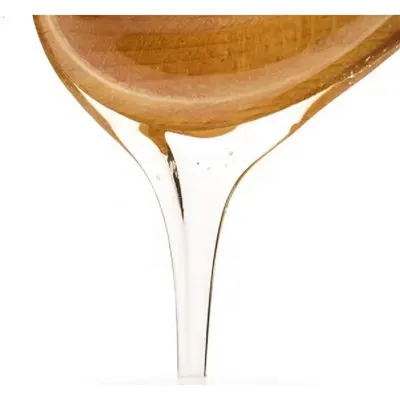
First, let’s get clear on what relish actually is. Most relishes are a mixture of chopped vegetables (cucumbers, onions, peppers, sometimes even cabbage or pickles), vinegar, salt, sugar, and various spices. They’re usually fermented or brined first, then processed and pasteurized to extend shelf life. The natural issue here is that when you chop those vegetables into small pieces, they release a lot of water. Vinegar and salt pull even more moisture out during the brining process, and if that water isn’t bound up or stabilized, it will separate from the rest of the ingredients once the relish is jarred. That’s the watery puddle I mentioned earlier—no one wants that, right? It makes the relish look unappetizing, ruins the texture, and can even dilute the sharp, tangy flavor that makes relish taste like relish.
Now, some people will tell you “just add more sugar” or “cook the relish longer” to fix separation. But that’s a band-aid, not a solution. Adding too much sugar makes the relish overly sweet, which clashes with the tang of vinegar. Cooking it longer makes the vegetables mushy and breaks down their natural crunch—something relishes are supposed to have. And for artisanal producers, who pride themselves on keeping ingredients simple and free of weird additives, the idea of adding a thickener might sound intimidating. They think, “Oh, thickeners are just for processed junk food.” But that’s a myth. There are a lot of natural, food-grade thickeners that work perfectly for relish, and they’ve been used in condiment making for decades.
Let’s talk about how thickeners work in simple terms. Most food thickeners are hydrocolloids—substances that have lots of molecules that attract water. When you mix them into a liquid, they absorb the excess water, swell up, and create a gel-like network that holds all the relish’s ingredients together. This doesn’t make the relish gloopy or slimy; it just binds the water so it doesn’t separate, while still keeping the relish’s natural, crunchy texture. The key is choosing the right thickener for the job, because different types react differently to the ingredients in relish.
For example, xanthan gum is one of the most popular thickeners for condiments like relish. It’s a natural polysaccharide made from fermenting sugar with Xanthomonas campestris bacteria, and it works great across a wide pH range—perfect because relish is acidic (thanks to vinegar, usually around pH 3 to 4.5). Xanthan gum is also very effective at low concentrations; you only need 0.1% to 0.5% of the total batch to get the thickening you need. That means it doesn’t add any off-flavor or alter the relish’s taste. I’ve worked with several small-batch pickle makers who used to struggle with separation, and switching to xanthan gum cut their water separation rate by 90%. They kept their traditional vegetable blend, their spice mix, and their tangy profile—they just added a tiny bit of xanthan gum during the final mixing step, and their relish now stays smooth and consistent for months on the shelf.
Another great option for relish is modified corn starch. Unlike native corn starch, which breaks down when exposed to high heat (like during pasteurization), modified corn starch is chemically treated to hold up to processing temperatures. It’s also neutral in flavor, so it doesn’t interfere with the relish’s taste. Some brands prefer modified corn starch because it gives a slightly different texture—more of a soft, body-like thickening, whereas xanthan gum is more of a smooth, shear-thinning texture (meaning it flows easily when you squeeze it out of a jar, but stays thick when it’s sitting still). For larger-scale producers, modified corn starch is often more cost-effective, because it’s easy to incorporate into bulk batches and has a long shelf life.
Then there are plant-based thickeners, like guar gum or locust bean gum, which are popular with brands that want to label their products as “clean” or “natural.” Guar gum is made from the ground endosperm of guar beans, and it works well in acidic conditions, though it’s important to note that it can sometimes cause a slight grainy texture if not mixed properly. Locust bean gum, made from the seeds of the carob tree, is often combined with guar gum to reduce that graininess and improve the texture. These are great options for brands that want to avoid synthetic additives and appeal to consumers who care about clean labels.
Now, here’s the part most people don’t talk about: not all thickeners are created equal, and adding them to relish requires a little know-how. If you just dump a handful of thickener into a batch of relish and stir it, you’ll end up with lumps—big, gritty chunks that ruin the texture. The key is to disperse the thickener properly. For example, xanthan gum needs to be mixed with a dry ingredient (like sugar or salt) before adding to the relish, so it doesn’t clump. Modified corn starch needs to be heated with some of the liquid from the relish first to activate its thickening properties. That’s why working with a thickener supplier that doesn’t just sell you a bag of powder, but also gives you guidance on how to use it, makes all the difference. I’ve had producers come to me with horror stories: they bought a cheap thickener from a general food supplier, added too much, got lumps, and had to throw away a whole batch of 500 gallons of relish. That’s a costly mistake, and one that’s totally avoidable when you partner with a supplier who understands condiment applications like relish.
Another thing to consider is shelf life. Thickeners don’t just fix texture—they help extend the shelf life of relish. By binding excess water, they reduce the amount of free water available for bacteria to grow, which is a big deal for fermented or low-acid relishes. That means less spoilage, less waste, and more consistent quality over time. For brands that distribute their relishes across the country or internationally, that consistency is crucial. A customer in New York and a customer in California should get the same texture and flavor, no matter how long the jar has been sitting on a shelf. Thickeners help make that happen.
I also want to address the concern that thickeners make relish “processed.” Let’s be real here: most of the food we eat is processed in some way. Even artisanal relishes use vinegar, salt, and processed sugar. The difference is in the ingredients you choose and how you use them. A natural thickener like xanthan gum or guar gum is a safe, food-grade ingredient that’s been approved by organizations like the FDA and EFSA. It’s been used in food products for over 50 years, and there’s no evidence that it’s harmful. Compare that to the alternative: adding more sugar, which adds empty calories, or cooking the relish longer, which destroys some of the vitamins and crunch of the vegetables. Thickeners are actually a way to make a better product without compromising on quality.
Let’s talk about a real example, because I hate giving theory without proof. A few years ago, I worked with a medium-sized pickle company that made a popular dill relish. They were losing about 15% of their monthly production to returns because customers were complaining about watery relish. They’d tried everything: adjusting the brining time, cooking the relish for longer, adding extra sugar, even switching to different vegetables. Nothing worked. I recommended they test a small batch using a blend of xanthan gum and modified corn starch, at a concentration of 0.3% total. We worked with their production team to show them how to disperse the thickener properly, mixing it with their sugar before adding it to the relish during the final step. The result? No more watery returns. The texture was smooth, the relish stayed thick for 12 months on the shelf, and they didn’t notice any change in flavor or crunch. They ended up adopting the blend for all their relish products, and their monthly returns dropped to less than 1%. That’s the kind of difference the right thickener can make.
Now, if you’re a relish producer—big or small—whether you’re just starting out or you’ve been in business for decades, you might be wondering how to get started with thickeners. The first step is to figure out what your biggest challenges are: separation, texture consistency, shelf life, clean label requirements, or cost. Then, you need to work with a supplier that can help you find the right thickener for your specific needs. A good supplier will not only provide high-quality thickeners, but also offer technical support—like formulation advice, mixing guidance, and even small sample batches to test before you commit to a full production run.
I’ve been in the thickener business for over 15 years, and I’ve worked with all kinds of producers, from home cooks making 10 jars a month to large food manufacturers making millions of gallons of relish a year. The one thing I’ve learned is that the best products come from understanding both the science of food and the needs of the people making them. Thickeners aren’t a magic bullet, but when used correctly, they can solve real problems and help you make a better relish that customers love.
If you’re ready to stop dealing with watery relish, inconsistent texture, or high returns, I’m here to help. Whether you need a small sample to test a batch of artisanal relish, or you’re looking for a bulk solution for your large-scale production, we can work together to find the right thickener blend for your product. We offer technical support every step of the way, so you don’t have to worry about lumps, off-flavors, or wasted production runs.
Don’t let texture issues hold your relish business back. The difference between a good relish and a great one is often in the details—and the right thickener is one of those details. Reach out to us today to discuss your specific needs, and let’s create a relish product that your customers will love, time after time.
Sodium Saccharin References
- Fennema, O. R. (1996). Food Chemistry (3rd ed.). Marcel Dekker.
- Imeson, A. P. (Ed.). (1997). Thickening Agents for Food Products. Blackie Academic & Professional.
- U.S. Food and Drug Administration. (2023). Generally Recognized as Safe (GRAS) List.
- Campbell, G. M., & Mougeot, E. (1999). Creation and characterisation of aerated food products. Trends in Food Science & Technology, 10(9), 283-296.
- BeMiller, J. N. (2009). Carbohydrate chemistry for food scientists (2nd ed.). Eagan Press.
Fudijia (Tianjin) Supply Chain Co., Ltd.
With abundant experience, we re one of the most professional thickeners manufacturers and suppliers in China. We warmly welcome you to wholesale bulk high quality thickeners made in China here from our factory. For more information, contact us now.
Address: 301-2-1C,Jin Bin Jie Zuo,No.98, Huanghai Road,TEDA, Tianjin, China
E-mail: foodchem@hjlfoods.com
WebSite: https://www.ifoodchem.com/
