When it comes to industrial valve solutions, one term that often rises in importance is the wear resistance of a Gravity Diverter Valve. As a well – established supplier of Gravity Diverter Valves, we understand the nuances and intricacies involved in this crucial characteristic. Gravity Diverter Valve
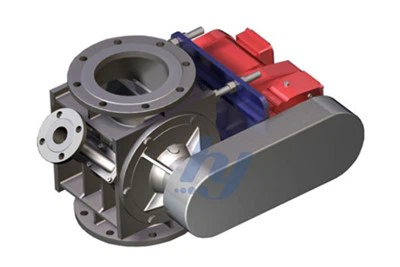
Understanding the Gravity Diverter Valve
Before delving into wear resistance, let’s first understand what a Gravity Diverter Valve is. A Gravity Diverter Valve is a fundamental component in many industries, such as mining, food processing, and chemical manufacturing. It is designed to divert the flow of bulk materials, like powders, grains, and granules, traveling under the influence of gravity. By simply changing the position of the diverter, the material can be directed to different discharge points or conveyors.
These valves operate in a high – stress environment. Bulk materials flowing through the valve can cause significant abrasion over time. Additionally, some materials might be corrosive, which further exacerbates the wear on the valve components. This is where wear resistance becomes indispensable.
Defining Wear Resistance
Wear resistance is the ability of a material or a product to withstand wear and tear caused by mechanical action. In the context of a Gravity Diverter Valve, it refers to the valve’s capability to resist the erosive and abrasive forces exerted by the flowing bulk materials. When a valve has high wear resistance, it can maintain its functionality and structural integrity for a longer period, reducing the need for frequent replacements and maintenance.
There are different types of wear that a Gravity Diverter Valve may encounter. Abrasive wear happens when hard particles in the bulk material rub against the valve walls, gradually removing material from the surface. Erosive wear occurs when the flow of the bulk material, especially at high velocities, causes material removal due to impact and friction. Corrosive wear, on the other hand, is the result of chemical reactions between the valve material and the substances in the bulk material or the surrounding environment.
Factors Affecting Wear Resistance in Gravity Diverter Valves
Material Selection
The choice of material is perhaps the most crucial factor in determining wear resistance. For Gravity Diverter Valves, materials like stainless steel, carbon steel, and high – alloy steels are commonly used. Stainless steel is known for its good corrosion resistance, making it suitable for applications where the bulk material is potentially corrosive. Carbon steel is strong and relatively inexpensive, but it may be more prone to corrosion in certain environments. High – alloy steels, such as those containing chromium and nickel, offer enhanced wear and corrosion resistance, though they come at a higher cost.
We, as a supplier, offer a wide range of valve materials to meet different customer requirements. For instance, in applications where the bulk material is highly abrasive, like in the mining industry, we can recommend valves made of high – chrome alloy steel. This material has a very hard surface that can withstand the constant abrasion caused by minerals and aggregates.
Surface Treatment
Surface treatment is another way to improve wear resistance. Processes like hardening, coating, and plating can be applied to the inner surfaces of the valve. Hardening increases the hardness of the material, making it more resistant to abrasive and erosive forces. For example, heat treatment can be used to harden the surface of a steel valve, creating a more durable layer.
Coating is also a popular method. Ceramic coatings, for example, have excellent wear and corrosion resistance. They can be applied to the valve interior to protect it from the abrasive action of bulk materials. Polyurethane coatings are another option, which are relatively flexible and can absorb some of the impact energy from the flowing material, reducing wear.
Design Considerations
The design of the Gravity Diverter Valve can significantly affect its wear resistance. A well – designed valve has smooth internal surfaces to minimize the friction between the bulk material and the valve walls. Sharp corners and rough surfaces should be avoided as they can cause material deposition and increased wear.
The angle of the diverter plate also plays a role. An improper angle can cause the bulk material to impact the valve walls at a high velocity, leading to increased erosive wear. By optimizing the design parameters, such as the shape of the valve body and the movement mechanism of the diverter plate, we can effectively reduce wear and enhance the valve’s service life.
Measuring Wear Resistance
Measuring the wear resistance of a Gravity Diverter Valve is not a straightforward task, as there are multiple factors at play. One common method is the laboratory test, where samples of the valve material are subjected to simulated abrasive or erosive conditions. For example, a sample can be placed in a test rig where abrasive particles are blasted at it at a certain velocity and for a specific period. The weight loss or change in surface properties of the sample after the test can be used to assess its wear resistance.
In real – world applications, the wear of a valve can be monitored over time. This can involve regular inspections, measuring the thickness of the valve walls, and observing the performance of the valve. By collecting and analyzing data on wear rates, we can provide our customers with accurate predictions of the valve’s service life and recommend appropriate maintenance schedules.
Importance of Wear Resistance in Different Industries
Mining Industry
In the mining industry, Gravity Diverter Valves are used extensively to handle various ores and minerals. These materials are often very abrasive, and the high – volume flow of the bulk material can cause rapid wear on the valves. A valve with poor wear resistance may need to be replaced frequently, resulting in costly downtime and increased maintenance costs. Our high – wear – resistant valves can ensure continuous operation in mining applications, reducing overall production costs.
Food Processing Industry
In the food processing industry, while the bulk materials may not be as abrasive as in the mining industry, they may be corrosive due to the presence of acids or salts. Additionally, the valves need to meet strict hygiene standards. Our wear – resistant valves made of food – grade stainless steel and with proper surface treatments can effectively resist corrosion and wear, ensuring the safety and quality of the food products being processed.
Chemical Industry
The chemical industry deals with a wide range of corrosive and abrasive substances. Gravity Diverter Valves in this industry must be able to withstand the harsh chemical environment. Our valves with high – performance materials and coatings can provide reliable service in chemical applications, preventing leaks and failures that could lead to environmental hazards and production disruptions.
Our Commitment as a Supplier
As a supplier of Gravity Diverter Valves, we are committed to providing high – quality products with excellent wear resistance. We invest in research and development to continuously improve our valve designs and material selection. Our team of experts can work closely with customers to understand their specific requirements and recommend the most suitable valve solutions.
We also offer comprehensive after – sales services, including installation guidance, maintenance training, and spare – part supply. By ensuring the long – term performance of our valves, we help our customers reduce operational costs and improve production efficiency.
Conclusion

The wear resistance of a Gravity Diverter Valve is a critical characteristic that can significantly impact its performance and service life in various industrial applications. From material selection and surface treatment to design optimization, multiple factors contribute to achieving high wear resistance. As a trusted supplier, we are dedicated to delivering valve solutions that meet the highest standards of wear resistance and reliability.
Sinter Plate Dust Collector If you are in need of a Gravity Diverter Valve for your industrial operations and are interested in discussing your specific requirements, we invite you to reach out to us. Our experienced sales team is ready to assist you in finding the best valve solution for your needs.
References
- ASM Handbook Volume 18: Friction, Lubrication, and Wear Technology. ASM International.
- Perry’s Chemical Engineers’ Handbook. McGraw – Hill Professional.
- Wear of Materials: Proceedings of the Third International Conference on Wear of Materials. Elsevier Science.
Shanghai Hanye Engineering Technology Co., Ltd.
As one of the most experienced gravity diverter valve manufacturers and suppliers in China, we offer a wide range of products with superior quality. We warmly welcome you to buy customized gravity diverter valve at competitive price from our factory. For more information, contact us now.
Address: Building 7, No. 428 Banqiao East Road, Shanyang Town, Jinshan District, Shanghai
E-mail: Windy@hanye-tech.com
WebSite: https://www.hanyeconveying.com/
