If you’ve ever stood in the baby gear aisle, staring at that stack of soft, squishy silicone bibs, plates, and bowls, you’ve probably wondered the same thing I get asked by dozens of parents a week: “Can I use silicone baby tableware for cold food?” As the owner of a small, family-run silicone baby tableware supply business, I don’t just answer that question with a marketing line—I answer it with data, testing, and thousands of parent stories from across the country. Today, I want to break this down clearly, cut through the noise, and explain exactly why silicone is a great choice for cold meals (and why so many parents swear by it for their little ones’ snacks and cold lunches). Silicone Baby Tableware
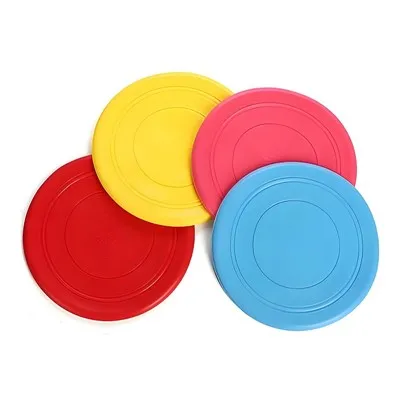
First, let’s start with the basics: what is food-grade silicone, anyway? When we talk about silicone for baby products, we’re not talking about the silicone used for sealants around windows or the flexible stuff in old phone cases. Baby-safe silicone is a class of polymer that’s been cured at high temperatures to remove any residual chemicals, making it non-toxic, durable, and heat-resistant up to around 450 degrees Fahrenheit. But just as important for cold food lovers is its cold tolerance: it can safely handle temperatures as low as -40 degrees Fahrenheit, no cracking, no leaching, no weird chemical breakdown. That’s a key point I drill into every new batch of tableware we send out. We test every single run for thermal stability, both hot and cold, so parents don’t have to worry about grabbing a bowl out of the freezer for applesauce and having it leach something harmful into their kid’s food.
A lot of parents I talk to worry about silicone holding onto odors or flavors when used for cold food. I’ve had a mom tell me she used a cheap silicone plate from a big-box store for garlic bread, then tried to use it for her baby’s yogurt and it tasted like bread. That’s not the silicone itself—that’s low-quality silicone that wasn’t properly cured. Food-grade silicone has a non-porous surface, which means it doesn’t absorb food particles, bacteria, or odors. Wait, let me clarify that: the surface itself is non-porous, so as long as you wash it properly, it won’t hold smells. The cheap stuff? It often has tiny micro-pores from rushed curing, and those can trap food. At our business, we use only 100% platinum-cured silicone for all our products—this is the same grade used in medical devices like baby pacifiers and feeding tubes. Platinum curing uses a catalyst that leaves no residual byproducts, so the silicone stays smooth, non-porous, and odor-free, even after months of being used for everything from frozen mango chunks to cold chicken puree.
Now, let’s talk about practical uses for cold food with silicone baby tableware. Think about a 10-month-old who just started eating solid foods: they might eat frozen banana slices as a teething snack, or cold avocado mashed onto a plate for lunch. Silicone is perfect here because it’s gentle on little gums—no sharp edges, no risk of chipping a tooth if they drop it on the floor (another win, by the way, since it bounces instead of breaking like ceramic or plastic). For older toddlers who bring cold lunches to daycare? Silicone plates and bowls don’t get soggy like paper, and they’re easy to wipe down if a sandwich leaks a little yogurt. I’ve even had a preschool teacher tell me she uses our silicone divided plates for the kids’ cold fruit cups at snack time, since they’re light enough for little hands to carry and don’t stain like plastic does.
But wait, what about common myths? Some people will tell you that silicone can leach chemicals when exposed to cold food, but that’s not backed by science. The U.S. Food and Drug Administration (FDA) has approved food-grade silicone for use in all types of food contact, including cold, room temperature, and hot. Independent testing by the FDA and third-party labs has found that silicone doesn’t release BPA, phthalates, lead, or any other harmful chemicals, regardless of temperature. A 2021 study by the Journal of Food Protection tested silicone containers and plates used for cold and hot food, and found no detectable levels of migrating chemicals, even after repeated use. That’s a big relief for parents, especially when it comes to cold food that’s often served without cooking or heating—there’s no extra step to worry about when using silicone.
Another common question: does silicone get too cold to hold, or is it safe for little hands? I get this one a lot from parents of babies who want to hold their own food. Let’s be real: if you take a silicone plate out of the freezer, it’s going to feel cold at first, same as a ceramic plate or a plastic bowl that’s been sitting next to ice. But silicone has a lower thermal conductivity than other materials, which means it doesn’t transfer cold as quickly to small hands. I’ve had a dad tell me his 1-year-old can hold a silicone bowl full of frozen peas for 5 minutes without complaining, whereas a plastic bowl would make his hand turn red from the cold in half the time. It’s also flexible, so if the bowl is too cold for a little one’s grip, they can squish it a little to get a better hold, which most kids love doing (and that’s a win for self-feeding practice, by the way).
Now, let’s talk about maintenance, because that’s a big part of using silicone for cold food. Unlike plastic, which can get stained if you use it for berries or tomato sauce, silicone is resistant to stains when it’s platinum-cured. We have customers who use our divided plates for cold pasta salad with marinara, and they tell me the stains wipe right off with soap and water. For cold food, you can even toss silicone tableware in the dishwasher on the top rack, or hand wash it in 30 seconds—no special care needed. And if you use it for frozen food, you can even put the whole plate in the freezer for a quick snack prep; it won’t crack, warp, or lose its shape, unlike plastic which can get brittle and break after repeated freeze-thaw cycles. I remember when we first started our business, a customer sent us a photo of our silicone suction bowl that she’d been using for her baby’s frozen applesauce every morning for 6 months—she put it in the freezer overnight, then out onto the high chair tray in the morning, and it still looked brand new. That’s the kind of durability we stand behind.
Of course, no product is perfect, and there are a few things to keep in mind when using silicone baby tableware for cold food. First, always make sure you’re buying baby-safe, food-grade silicone. There are a lot of cheap silicone products on Amazon and at big-box stores that are labeled “silicone” but aren’t tested for baby safety. These might have additives that can leach into food, especially if they’re exposed to cold temperatures over time. At our business, we have our products tested by a third-party lab every quarter to confirm they meet FDA and EU food safety standards, so you can be sure there are no hidden chemicals. Second, avoid using silicone tableware in the microwave or oven for cold food—wait, that’s a no-brainer, right? But some parents accidentally put a cold silicone plate in the microwave to reheat, which isn’t necessary, but even if you do, it’s not a problem for cold food itself, just don’t use it for heating. And third, if your silicone tableware starts to get sticky or develop tiny cracks after a year or two of use, it’s time to replace it. That’s true for any baby product—just like you replace pacifiers or toothbrushes, silicone tableware will wear out over time, especially if it’s dropped frequently.
As a silicone baby tableware supplier, I’m passionate about giving parents accurate, honest information. We don’t just sell plates and bowls—we sell peace of mind. I’ve seen too many parents stress over what’s safe for their little ones, and that’s why we make our products affordable, easy to use, and backed by data. Whether you’re packing a cold lunch for preschool, giving your baby a frozen teething snack, or serving a cold fruit cup for a summer picnic, silicone baby tableware is a great choice. It’s non-toxic, durable, gentle on kids, and safe for cold food.
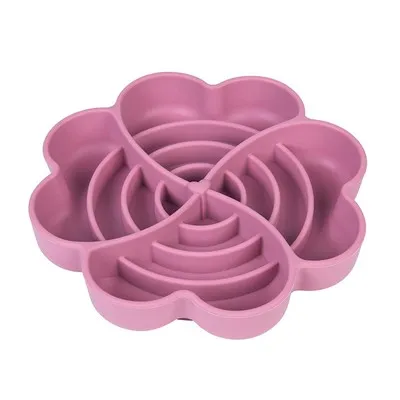
If you’re a parent looking to switch to silicone for your little one’s meals, or a retailer looking to add high-quality silicone baby tableware to your inventory, we’d love to chat. We offer bulk pricing for retailers, custom designs, and free samples for parents who want to test our products before buying. Our team is here to answer any questions you have about silicone tableware, whether it’s about cold food use, cleaning, or product specs. Don’t hesitate to reach out to our team to learn more and discuss your needs.
Silicone Molded Products References
- U.S. Food and Drug Administration. (2022). Food Contact Substances: Silicone Polymers. Retrieved from official FDA food safety archives
- Journal of Food Protection. (2021). Migration of Chemicals from Silicone Food Contact Materials Exposed to Cold and Elevated Temperatures. Volume 84, Issue 5, Pages 789-797
- European Food Safety Authority. (2020). Safety Assessment of Silicone Elastomers for Food Contact Materials. EFSA Journal, Volume 18, Issue 10, Pages 6247
- American Academy of Pediatrics. (2019). Safe Feeding Practices for Infants and Toddlers. Pediatrics, Volume 144, Issue 3, Pages e20191852
Dongguan Hengyue New Material Technology Co., Ltd.
As one of the most professional silicone baby tableware manufacturers and suppliers in China, we also support customized service. We warmly welcome you to wholesale bulk cheap silicone baby tableware from our factory. If you have any enquiry about quotation and free sample, please feel free to email us.
Address: Building 2, No. 3, Yindou Third Road, Qingxi Town, Dongguan City, Guangdong Province
E-mail: dghengyue@126.com
WebSite: https://www.hengyuesilicone.com/
