When it comes to furnishing an office, one of the most crucial decisions is choosing the right office sofa. Among the various options available, leather and fabric sofas stand out as popular choices. As an office sofa supplier, I’ve had numerous clients grappling with this decision. In this blog, I’ll delve into the characteristics, advantages, and disadvantages of both leather and fabric office sofas to help you make an informed choice. Office Sofa
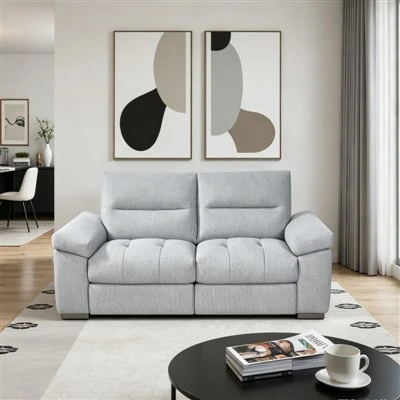
Leather Office Sofas
Characteristics
Leather is a natural material that exudes a sense of luxury and sophistication. It comes in different types, such as full – grain, top – grain, and bonded leather. Full – grain leather is the highest quality, retaining the natural grain and imperfections of the hide, which gives it a unique and authentic look. Top – grain leather is also of high quality, with the surface sanded and refinished to remove imperfections, resulting in a more uniform appearance. Bonded leather, on the other hand, is made from scraps of leather bonded together with a polyurethane layer, which is less expensive but also less durable.
Advantages
- Durability: Leather is known for its long – lasting nature. It can withstand heavy use, making it ideal for office environments where the sofa may be used frequently. With proper care, a leather sofa can last for decades, which is a significant investment in the long run. For example, in a busy corporate office with a high volume of visitors, a leather sofa can maintain its appearance and structural integrity over time.
- Easy to clean: Spills and stains can be easily wiped off a leather sofa. Most leather sofas can be cleaned with a damp cloth and a mild leather cleaner. This is a major advantage in an office setting, where accidents are inevitable. For instance, if a coffee spill occurs, it can be quickly cleaned up without leaving a permanent mark.
- Aesthetic appeal: Leather has a timeless and elegant look that can enhance the overall aesthetic of an office. It gives an air of professionalism and luxury, which is especially important for businesses that want to make a good impression on clients. A leather sofa in a reception area can create a positive and sophisticated first impression.
- Resistance to wear: Leather is more resistant to scratches and wear compared to fabric. In an office where there may be movement of furniture or people brushing against the sofa, leather can better withstand the daily rigors.
Disadvantages
- High cost: Leather sofas are generally more expensive than fabric sofas. The cost of high – quality leather, combined with the manufacturing process, makes them a significant investment. This can be a deterrent for small businesses or those on a tight budget.
- Temperature sensitivity: Leather can feel cold in the winter and hot in the summer. In an office without proper temperature control, this can be uncomfortable for users. For example, during a hot summer day, sitting on a leather sofa may become unpleasant.
- Requires maintenance: Leather needs to be conditioned regularly to keep it soft and prevent it from drying out and cracking. This adds to the long – term cost and effort of owning a leather sofa.
Fabric Office Sofas
Characteristics
Fabric sofas come in a wide range of materials, including cotton, linen, polyester, and microfiber. Each material has its own unique properties. Cotton is soft and breathable, linen has a natural and textured look, polyester is durable and resistant to stains, and microfiber is known for its softness and easy – cleaning properties.
Advantages
- Affordability: Fabric sofas are generally more budget – friendly than leather sofas. This makes them a great option for businesses that need to furnish multiple offices or have a limited budget. For example, a startup company may choose fabric sofas to save on costs.
- Variety of colors and patterns: Fabric offers a vast selection of colors, patterns, and textures. This allows businesses to choose a sofa that matches their office decor and branding. Whether you want a bold and colorful sofa to add a pop of personality or a neutral and classic one for a more professional look, fabric can meet your needs.
- Comfort: Many people find fabric sofas to be more comfortable, especially in terms of temperature. Fabric is generally more breathable than leather, which means it can be more comfortable to sit on for long periods, even in warm environments.
- Low maintenance: While fabric sofas do require cleaning, they generally don’t need the same level of specialized maintenance as leather sofas. Most fabric sofas can be vacuumed regularly and spot – cleaned as needed.
Disadvantages
- Stain and wear resistance: Fabric is more prone to staining and wear compared to leather. Spills can be more difficult to clean, and over time, the fabric may show signs of wear, especially in high – traffic areas. For example, in an office with a lot of foot traffic, the fabric on the sofa may start to look worn and faded.
- Less durable: Fabric sofas may not last as long as leather sofas, especially if they are used frequently. The fabric may tear or become frayed over time, which can affect the overall appearance and functionality of the sofa.
Factors to Consider When Choosing
- Usage: Consider how the sofa will be used. If it’s for a high – traffic area like a reception or waiting room, a leather sofa may be a better choice due to its durability. However, if it’s for a private office where the usage is lighter, a fabric sofa could be a suitable option.
- Budget: Your budget is a significant factor. If you have a limited budget, fabric sofas are more affordable. But if you’re willing to invest in a long – lasting and high – quality piece, leather may be worth the extra cost.
- Aesthetic and branding: Think about the overall look and feel you want to achieve in your office. Leather sofas can give a more professional and luxurious look, while fabric sofas offer more flexibility in terms of color and pattern to match your branding.
- Maintenance: Consider how much time and effort you’re willing to put into maintaining the sofa. Leather requires regular conditioning, while fabric may need more frequent spot – cleaning.
Conclusion
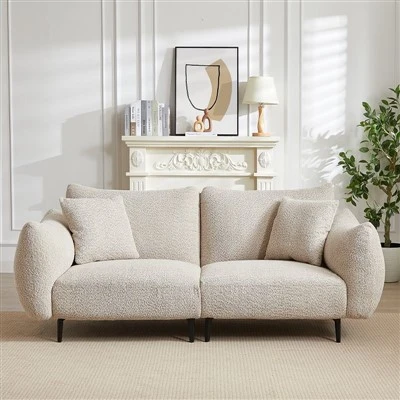
Both leather and fabric office sofas have their own unique advantages and disadvantages. As an office sofa supplier, I understand that the right choice depends on your specific needs, budget, and preferences. If you’re looking for a durable, easy – to – clean, and luxurious option, a leather sofa may be the way to go. On the other hand, if you’re on a budget, want more color options, and prioritize comfort, a fabric sofa could be a better fit.
Fabric Office Sofa If you’re in the process of furnishing your office and need help choosing the perfect sofa, I’m here to assist you. Our team has extensive experience in providing high – quality office sofas that meet the diverse needs of businesses. We can offer personalized advice based on your specific requirements. Contact us to start a procurement discussion and find the ideal office sofa for your space.
References
- "The Ultimate Guide to Leather Furniture" by Furniture Today
- "Fabric Furniture: Pros and Cons" by Home & Garden Magazine
Huizhou Ramson Technology Co., Ltd.
Huizhou Ramson Technology Co., Ltd. is one of the most professional office sofa manufacturers and suppliers in China, also supports customized service with low price. Please feel free to wholesale bulk classy office sofa from our factory. Contact us for pricelist.
Address: Building 3-4, Changlonggang Industrial Park, Tiantou Village, Shatian Town, Huiyang District, Huizhou City, Guangdong Province
E-mail: jscsofa@jsc-furniture.com
WebSite: https://www.jsc-sofa.com/
