What is the adjustability of cycling shoes?
Hey there, fellow cycling enthusiasts! I’m a supplier of cycling shoes, and I’m super stoked to chat with you about one of the most crucial features of these bad boys: adjustability. Cycling Shoes

Why Adjustability Matters
Let’s start with why adjustability is such a big deal. When you’re out on the road or hitting the trails, your feet go through a lot. They bear the brunt of your pedaling force, experience different levels of pressure, and need to stay comfortable for hours on end. A cycling shoe that can’t be adjusted properly is like a car with a faulty suspension—it just won’t perform at its best.
Adjustable cycling shoes can adapt to the changing shape and size of your feet during a ride. As you pedal, your feet tend to swell slightly, especially in the heat or after a long, intense session. If your shoes are too tight or too loose, it can lead to a whole host of problems, like blisters, hotspots, numbness, and even reduced power transfer.
On the flip side, a shoe with good adjustability allows you to fine-tune the fit as needed. You can loosen the straps or buckles when your feet start to swell, or tighten them up if you feel a bit of slippage. This not only keeps you comfortable but also ensures that you’re getting the most out of every pedal stroke.
Types of Adjustability Features
Now that we know why adjustability is important, let’s take a look at the different types of adjustability features you’ll find in cycling shoes.
Straps
Straps are one of the most common adjustability features in cycling shoes. They’re usually made of a durable, flexible material like nylon or polyester, and they’re attached to the shoe with velcro or a buckle. Straps allow you to adjust the fit across the top of your foot, providing a customized and secure hold.
One of the advantages of straps is that they’re easy to use. You can quickly tighten or loosen them on the fly, making it convenient to adjust the fit as your feet change during a ride. They also offer a wide range of adjustment options, so you can find the perfect balance between comfort and support.
However, straps do have some drawbacks. They can sometimes come loose during a ride, especially if they’re not tightened properly. This can be annoying and may even cause the shoe to rub against your foot, leading to blisters. Additionally, straps can add a bit of bulk to the shoe, which may not be ideal for some riders.
Buckles
Buckles are another popular adjustability feature. They’re typically made of metal or plastic and are designed to provide a more secure and precise fit than straps. Buckles come in different types, including single-buckle, double-buckle, and triple-buckle systems.
Single-buckle systems are the simplest and most common. They usually have a single buckle located at the top of the shoe, which allows you to adjust the fit across the instep. Double-buckle and triple-buckle systems offer more adjustability options, allowing you to fine-tune the fit at different points on the foot.
One of the main advantages of buckles is that they provide a very secure hold. Once you’ve tightened the buckle, it’s not likely to come loose during a ride. They also offer a more precise fit than straps, allowing you to adjust the tension with greater accuracy.
However, buckles can be a bit more difficult to use than straps, especially if you’re wearing gloves. They also tend to be more expensive than straps, which may be a consideration for some riders.
Boa Systems
Boa systems are a relatively new adjustability feature that’s gaining popularity among cyclists. They use a stainless steel wire and a dial to adjust the fit of the shoe. The wire is threaded through the shoe’s upper, and when you turn the dial, it tightens or loosens the wire, providing a customized fit.
One of the main advantages of Boa systems is that they offer a very precise and even fit. The wire evenly distributes the tension across the foot, providing a comfortable and secure hold. They’re also very easy to use, even when you’re wearing gloves. You can quickly adjust the fit by turning the dial, and they offer a wide range of adjustment options.
Another advantage of Boa systems is that they’re very durable. The stainless steel wire is resistant to corrosion and wear, and the dial is designed to last for thousands of adjustments. This makes them a great choice for riders who want a long-lasting and reliable adjustability feature.
However, Boa systems can be a bit more expensive than straps or buckles. They also require a bit more maintenance than other adjustability features, as the wire may need to be cleaned and lubricated periodically to ensure smooth operation.
How to Choose the Right Adjustability Feature for You
Now that you know about the different types of adjustability features, how do you choose the right one for you? Here are a few things to consider:
Fit Preferences
The most important thing to consider when choosing an adjustability feature is your fit preferences. Some riders prefer a snug, precise fit, while others prefer a looser, more comfortable fit. Straps and buckles offer a wide range of adjustment options, allowing you to find the perfect fit for your feet. Boa systems, on the other hand, offer a more precise and even fit, but they may not be as adjustable as straps or buckles.
Riding Style
Your riding style also plays a role in choosing the right adjustability feature. If you’re a road cyclist who spends long hours in the saddle, you may want a shoe with a more precise and secure fit, like a Boa system or a triple-buckle system. If you’re a mountain biker who needs to be able to adjust the fit quickly on the trail, you may prefer a shoe with straps or a single-buckle system.
Budget
Finally, your budget is also an important consideration. Straps are the most affordable adjustability feature, while boas systems are the most expensive. Buckles fall somewhere in between. Consider how much you’re willing to spend on your cycling shoes, and choose an adjustability feature that fits within your budget.
Conclusion
In conclusion, adjustability is a crucial feature of cycling shoes. It allows you to customize the fit of your shoes, ensuring that they’re comfortable and supportive throughout your ride. Whether you prefer straps, buckles, or boas systems, there’s an adjustability feature that’s right for you.
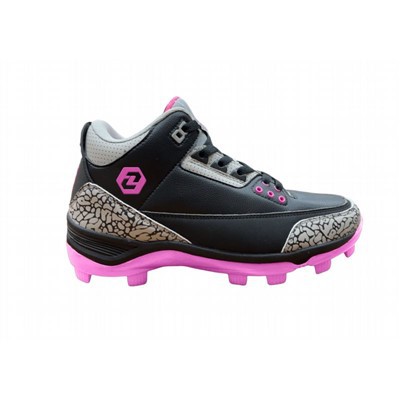
Baseball Cleats As a cycling shoe supplier, I understand the importance of adjustability, and I offer a wide range of cycling shoes with different adjustability features. If you’re in the market for a new pair of cycling shoes, I’d love to help you find the perfect fit. Please feel free to contact me to discuss your needs and preferences. I’m here to make sure you get the most out of your cycling experience.
References
- "Cycling Shoes: Fit and Function" by Scott Olson
- "The Ultimate Guide to Cycling Shoes" by David Arthur
Quanzhou Yangwang Trading Co., Ltd.
Address: No. 234-1 East Qiguang Road, Handai Village, Chendai Town, Jinjiang City, Quanzhou City, Fujian Province.
E-mail: mariajose@quanzhouyangwang.com
WebSite: https://www.fuyingshoes.com/
