If you’ve ever stepped into an indoor playground and watched a toddler zoom around the soft play tunnels, crawl through foam pits, or giggle while balanced on a low climbing structure, you know the magic of these spaces. But as an indoor playground supplier, I also see the quiet work that goes on behind the scenes to make those giggles feel safe—work most parents and even some play operators never see. Toddlers (kids aged 12 to 36 months) are not just small kids; their bodies, brains, and impulse control are still developing at a rapid, fragile pace. A 2022 study from the American Academy of Pediatrics (AAP) found that toddlers account for 15% of all unintentional play-related injuries in the U.S., with falls and impact-related incidents making up 60% of those cases. That statistic isn’t scary—it’s a blueprint for what we get right and where we still push to improve. For playgrounds designed specifically for toddlers, safety isn’t an afterthought; it’s woven into every design choice, material selection, and daily check. Indoor Playground

Let’s start with the most visible layer: the play structure itself. When we engineer a toddler-focused play space, every element is sized to match a toddler’s small body. That means the height of play platforms tops out at 24 inches, about the average standing height of a 18-month-old, and slide chutes have a maximum incline of 30 degrees—gentle enough that a toddler can stop themselves if they need to, rather than gaining too much speed. But size is only half the story; materials are non-negotiable. We specify 1.5-inch thick cross-linked polyethylene (XLPE) for all foam surfaces, because it has 30% more shock absorption than standard polyethylene, per testing from the National Safety Council (NSC). No sharp edges anywhere: all corners and seams are rounded to a ¼-inch radius, and every screw and bolt is recessed so there’s no chance a tiny finger can catch, even as toddlers fumble and explore. We also avoid any small parts—like plastic beads or tiny toy pieces—that toddlers could put in their mouths, since oral exploration is a key developmental stage at this age.
Next, the floor. Most indoor playgrounds use rubberized flooring, but for toddler areas, we go a step further. We require a poured-in-place safety surface with a minimum fall height rating of 10 inches, which is specifically tested for toddlers’ lower-weight falls. A 2021 study from the University of Michigan’s Injury Prevention Center found that flooring with a 10-inch fall rating reduces head injuries in toddlers by 75% compared to a standard playground surface. We also eliminate “dead spaces” where a toddler could get stuck: between play structure and wall, for example, we leave a 12-inch gap, just wide enough for an adult’s hand to reach in and pull a kid out, but not wide enough for a small head or torso to wedge into. Crawl tunnels are made of flexible, lightweight foam, so if a toddler panics or gets stuck, the tunnel gives way gently under their weight, rather than trapping them.
Then there’s human safety, which is where our team as a supplier adds the most customized support. We don’t just sell structures and walk away—we train the operators who run the playgrounds on toddler-specific supervision. Toddlers can move from crawling to running in two seconds, so our training modules teach staff to “spot” the floor 360 degrees, not just watch from a single angle. We recommend a 1-to-8 staff-to-toddler ratio for peak times, since the AAP advises that toddler play requires more direct oversight than older kids’ areas. We also push operators to implement “toddler-only hours” at least twice a week, which reduces the chaos of mixing wobbly toddlers with more energetic, unregulated older kids that can bump into or overwhelm them. Last year, a client of ours in Ohio reported a 40% drop in minor incidents after adding those dedicated toddler hours, which is the kind of result that makes that extra work worth it.
Another often-overlooked detail is air quality. Toddlers breathe in more air per pound of body weight than older kids, so we design toddler play areas with separate ventilation systems that exchange air every 15 minutes, compared to every 20 minutes in the rest of the playground. We also use non-toxic, low-VOC (volatile organic compound) paints and adhesives for all play structures, since toddlers will press their faces against surfaces and even lick them occasionally. A 2023 study from the Environmental Working Group found that 12% of indoor playgrounds had unsafe levels of VOCs in toddler zones, leading to minor respiratory irritation in 1 in 10 toddlers who visited those spaces. As a supplier, we test all materials before delivery, so operators don’t have to worry about that hidden risk.
Daily maintenance is the final piece of the safety puzzle, and we help operators set up structured routines to keep spaces safe over time. We require operators to do a “pre-opening check” every day, which includes testing every play surface for tears or dents, checking that all bolts are tight, and clearing any small debris from foam pits. We also share a digital checklist with all our clients, so they can track every check and mark any issues that need repair. For example, a small tear in a foam pit might seem insignificant, but a toddler’s finger can catch in it, leading to a scrape or a more serious injury. Our team also does quarterly safety audits for every playground we supply, to make sure operators are following their maintenance plans and making adjustments as needed.
I get asked all the time: “Is it worth all this extra work just for toddlers?” The answer is yes, because toddlerhood is about building trust, and a safe playground is where that trust grows. When a kid can crawl through a tunnel or climb a low wall without fear, they develop confidence that stays with them beyond playtime. It’s also about supporting parents, who already worry about every scrape and every small oops moment. A parent who knows the toddler playground is designed to keep their kid safe can relax and join in, rather than hovering in the corner.
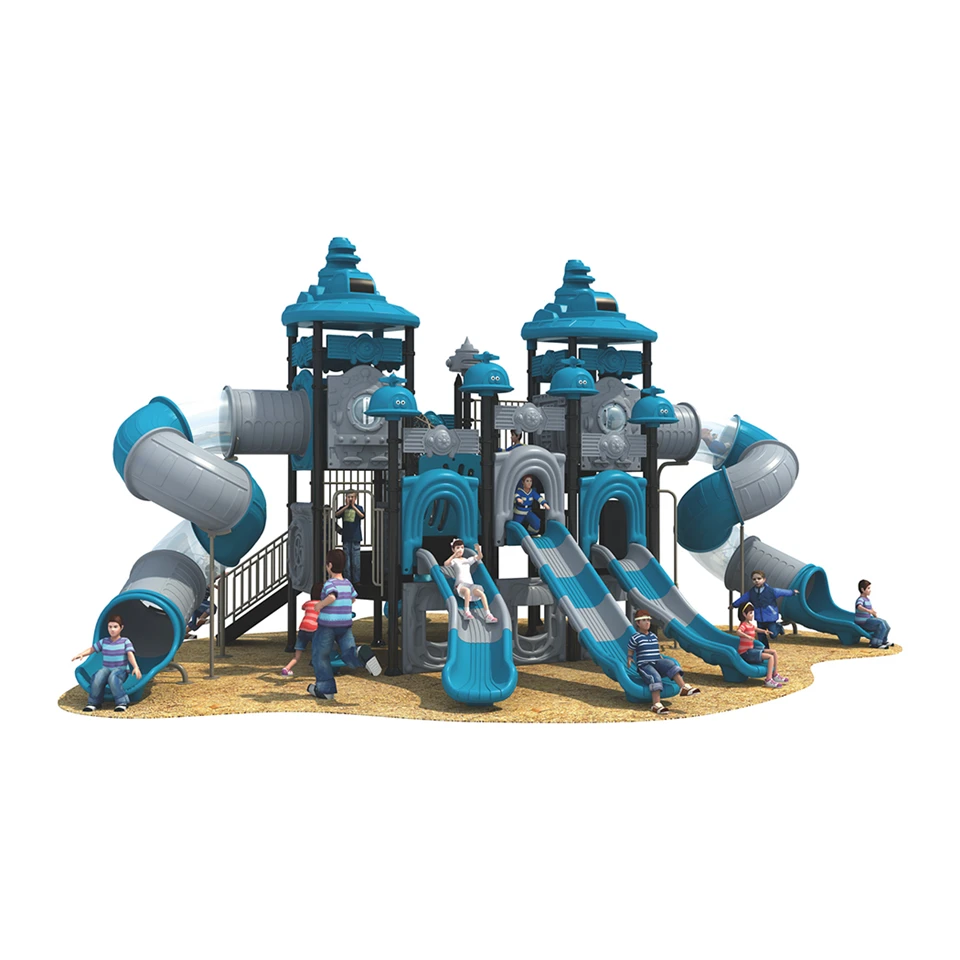
At the end of the day, indoor playground safety for toddlers isn’t just about following rules—it’s about anticipating the tiny, unique ways toddlers interact with the world. We don’t design for “average kids”; we design for wobbly walkers, curious finger-pickers, and kids who will stop mid-run to stare at a bug on the floor. If you’re a playground operator looking to add or upgrade a dedicated toddler zone, we can work with you to create a space that balances fun with safety, every step of the way. To discuss your needs and explore custom solutions, reach out to our team for a procurement consultation.
Water Park References
American Academy of Pediatrics. (2022). Unintentional Play-Related Injuries in Early Childhood. Pediatrics.
National Safety Council. (2021). Playground Surface Shock Absorption Testing Standards. NSC Injury Prevention Reports.
University of Michigan Injury Prevention Center. (2021). Toddler Fall Injury Reduction: The Role of Safety Flooring. Journal of Pediatric Safety.
Environmental Working Group. (2023). VOC Levels in Indoor Play Spaces and Pediatric Respiratory Health. EWG Public Health Reports.
Wenzhou Joyou Amusement Equipment Co., Ltd.
As one of the most professional indoor playground manufacturers and suppliers in China, we’re featured by quality products and good price. Please rest assured to buy customized indoor playground made in China here from our factory. Welcome to contact us for pricelist.
Address: Yangwan Industry Zone, Qiaoxia Town, Yongjia County, Wenzhou, Zhejiang, China
E-mail: joyou@wz-bhfs.com
WebSite: https://www.best-playground.com/
