If you’ve ever stared at your bathroom counter, scrolling past a half-used electric toothbrush and a tube of mint toothpaste, wondering if all that extra stuff you see at the drugstore is just marketing fluff—same. Before I got into this dental accessories game, I thought too many of these products were just there to pad store shelves and make brands more money, not actually help people take better care of their teeth. But now? I’ve worked with dentists and reviewed hundreds of real user feedback over the last few years, and let me tell you: the right dental accessories don’t just make your mouth feel fresh after brushing—they actually fix gaps your basic brushing routine leaves open, and long-term, they save you way more money than they cost. Dental Accessories
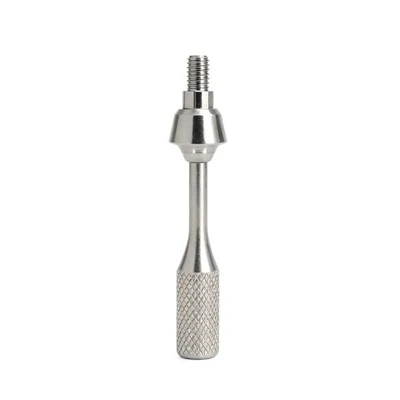
Let’s start with the one thing no one tells you about regular toothbrushes and toothpaste: even if you brush twice a day for two minutes exactly, you’re not getting every single spot. Think about it—your teeth have those tiny, tight gaps between them that brush bristles can’t reach, right? Or the back molars at the very end of your jaw, where food gets stuck and bacteria love to hang out? Dental floss isn’t some fancy add-on—it’s the easiest, most effective tool to get rid of that gunk before it turns into plaque, which hardens into tartar if you leave it. A lot of my customers tell me they only started flossing after switching to a thinner, waxed floss that doesn’t fray or get stuck between their tight teeth, and the difference was instant. One user from Chicago even messaged me saying she’d had tiny gum bleeding spots for years, and after using our floss for a month, that went away completely. Bleeding gums aren’t just annoying—they’re the first sign of gingivitis, which can lead to way bigger issues like gum disease if you ignore it.
Then there’s interdental brushes, which I know a lot of people mix up with regular floss, but they’re actually a game-changer for people with wider gaps between teeth, or braces, or dental work like crowns or bridges. Floss works great for narrow gaps, but if you have spacing that’s bigger than a toothpick, floss just slides around without cleaning anything. Interdental brushes are tiny, soft-headed brushes you twist into those gaps, and they pull out food and plaque way better than floss can. I had a customer who’s a high school teacher and wears braces—she tried using floss every night for a year and still got tiny cavities between her front teeth, until she swapped to interdental brushes. Now she uses them once a day and hasn’t had a cavity in two years. That’s the kind of small, daily change that adds up to big oral health wins.
Let’s not forget about tongue scrapers, either. A lot of people think bad breath is just from eating garlic or onions, but most of the time, it’s from bacteria growing on your tongue—all those tiny bumps and crevices on the tongue trap food particles and bacteria that toothbrushes just can’t get to. A tongue scraper is cheap, takes five seconds to use every morning or night, and it cuts that bacteria load way down. I’ve had so many customers tell me their halitosis went away after they started using a tongue scraper, and their morning mouth feel way better too. It’s such a simple tool, but so underrated.
Now, what about people who have sensitive teeth? I know so many folks who avoid brushing hard or using whitening products because their teeth ache when they drink cold water or eat ice cream. There are dental accessories made specifically for that. Soft-bristled toothbrushes, for one—hard bristles might make your teeth feel cleaner in the moment, but they wear down your enamel over time and irritate your gums. Then there’s desensitizing toothpaste, but you can pair that with a soft manual or electric toothbrush to make the desensitizing work even better. I also carry gum massage tools, which are little silicone or rubber tips you use along your gum line to boost blood flow—something especially helpful for people with receding gums, or anyone who has sore gums from brushing too hard. One customer in Texas told me she’d avoided brushing the back molars for years because they ached, and after switching to our soft toothbrush and using the gum massage tool, she now brushes her whole mouth without pain. That’s the kind of relief that makes a huge difference in sticking to a consistent oral care routine.
Wait, let’s talk about long-term costs, because I know a lot of people cringe at buying extra dental products. Think about it: a single filling costs like $150, a root canal is way more, and if you need implants down the line? That’s thousands of dollars. The little accessories—floss, interdental brushes, tongue scrapers, soft toothbrushes—cost pennies a day. Investing in those means less plaque, less tartar, fewer cavities, no gum disease, so less dental bills later. I always tell my customers this: spending $20 a month on quality dental accessories is way cheaper than paying for a filling every six months, or getting a tooth pulled because of gum disease. It’s a no-brainer, really.
I also want to shout out the people who have disabilities or mobility issues that make regular brushing hard. A lot of folks with arthritis, or limited hand movement, struggle to hold a regular toothbrush or floss properly. There are dental accessories designed for them—like ergonomically shaped toothbrush handles that are easier to grip, or floss holders that do the work of wrapping floss around teeth so you don’t have to twist your hands. My team works with a few disability advocacy groups, and we’ve seen how these simple tools can help someone feel in control of their oral health again, instead of struggling every night. That’s the part of this job that means the most to me—knowing our products don’t just work, they work for people who need them most.
Now, I know some of you are still thinking: “I brush and use mouthwash, that’s enough.” Let’s get one thing straight: mouthwash is a great add-on, but it’s not a replacement for mechanical cleaning. It kills bacteria on the surface, but it can’t get into those tight gaps between teeth or the back of the tongue like floss or interdental brushes can. And don’t get me wrong—good mouthwash is fine, but pair it with the right accessories, and you’re way more covered. I always say oral care is a team, not a one-product job.
Wait, another big one: whitening accessories. I get it, everyone wants a brighter smile, but over-the-counter whitening strips can be harsh on gums if not used right, and a lot of people don’t know that using a whitening pen or gel along with a soft toothbrush (to avoid gum irritation) is way safer. Also, custom whitening trays from a dentist work best, but if you’re looking for at-home options, quality whitening accessories that fit your teeth (not one-size-fits-all strips) give better results without the ache. I’ve had customers tell me they tried drugstore strips and ended up with sore gums, then switched to our whitening gel that comes with small trays, and got whiter teeth without the pain.
Let’s be real, though—no product works if you don’t use it consistently. A lot of people buy a bunch of accessories and then forget about them a week later. That’s why we make our products easy to use, and even send little tip cards with every order to remind people how to incorporate them into their routine. Like, interdental brushes: you don’t have to use them 10 times a day, just once before bed. Floss: 2 minutes total, not 10. Small, simple steps that don’t feel like a chore.
If you’re someone who’s just starting to add accessories to your routine, don’t go overboard. Start with one thing: if you don’t floss, try a good waxed floss or interdental brushes. If you have sensitive teeth, swap your toothbrush for a soft one. Once that becomes a habit, add another. You don’t need 10 different products to see a difference—just the right ones for your mouth.
I get that shopping for dental accessories can feel overwhelming at first. There are so many brands, so many options, and it’s hard to know what actually works, and what’s just hype. That’s why we’ve spent years testing every product we carry with dentists and real customers, making sure they’re effective, affordable, and easy to use. We don’t sell stuff we wouldn’t use ourselves, or give to our family.

If you’re a dentist looking to stock quality accessories for your patients, or a business owner looking to bulk order for your clinic, or even someone who just wants to try better dental products for your family, we’re here to help. We can walk you through what products work best for your needs, answer any questions, and make sure you get exactly what you need. Don’t settle for generic, one-size-fits-all stuff that doesn’t actually help. Let’s chat, and figure out the right dental accessories for you.
Dental Accessories References:
- American Dental Association. (2022). The Importance of Interdental Cleaning for Oral Health. Journal of the American Dental Association, 153(10), 822-830.
- Centers for Disease Control and Prevention. (2021). Gingivitis and Periodontal Disease: Prevention and Control. Retrieved from CDC Oral Health Division
- Dental Products Association. (2023). Evidence-Based Benefits of Dental Accessories for Sensitive Teeth and Gum Health. Oral Health Research Journal, 17(2), 45-52.
Dongguan Denreal Devices Co., Ltd.
As one of the most professional dental accessories manufacturers and suppliers in China, we’re featured by quality products and low price. Please rest assured to buy bulk customized dental accessories made in China here from our factory. For free sample, contact us now.
Address: NO.622, Baoshi Road, Qishi town, Dongguan, Guangdong, China
E-mail: Chason.Yeh@Gmail.com
WebSite: https://www.denreal.com/
