If you’ve ever stared at a well-worn vintage jacket, a perfectly fitted work shirt, or a custom baseball cap and noticed that small, elevated leather square with a logo or text on it—chances are you were looking at a leather patch. I’m not just talking about those cheap, thin leather scraps you get for a DIY craft project, either. As someone who’s been in the patches game for over a decade, let me break this down like I would to a regular guy who’s just trying to pick out the right logo for his brand, no fancy jargon required. Patches
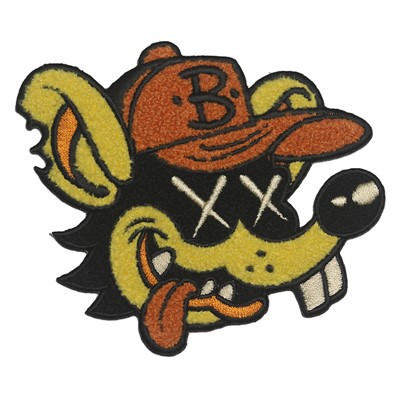
First off, let’s get the basics straight: a leather patch is exactly what it sounds like—an accent made from real (or sometimes faux) leather that’s sewn, ironed, or adhered onto apparel, accessories, gear, even some furniture. But it’s way more than just a “leather sticker,” right? That’s why brands, small businesses, and individual creators go out of their way to use these instead of printed vinyl or iron-on transfers. They add a level of texture, durability, and that timeless, worn-in vibe that nothing else can touch.
Let’s talk about the actual leather part, because that’s where a lot of people get confused. Not all leather patches are made equal, and as a supplier, I can tell you that we don’t cut corners here. Most high-quality patches are made from full-grain or top-grain leather—think the same stuff used for nice wallets or work boots. Full-grain is the top layer of the hide, it’s got all the natural grain, slight variations, and that patina that gets better with every wash and wear. Top-grain is sanded a bit to remove any imperfections, so it’s smoother, but still tough as hell. Then there’s genuine leather, which is the lower layers bonded together, cheaper, but it doesn’t hold up nearly as well over time. And yeah, we do make faux leather patches too—they’re great for brands that want a vegan option, or for kids’ stuff where you don’t want real leather scuffed up too fast.
How do these patches get made, anyway? Let’s walk through the process like I was showing you around my workshop. First, you send us your design—could be a logo, a funny saying, a mountain outline, whatever you want. We digitize that design, then either cut the leather to shape manually or use a laser cutter for super precise edges (no rough, frayed bits here). Then comes the fun part: branding. Most people pick either embossing or debossing. Embossing is when we press the design into the leather so it’s raised up—you can feel it when you run your finger over it. Debossing is the opposite, the design is pressed down into the leather, leaving a recessed line that’s clean and subtle. We can also do printing, like if you want bright, full-color art on a faux leather patch, or even add some paint to the embossed parts to make the logo pop. Then we finish the edges—sometimes we leave them raw for that rugged, vintage look, sometimes we dye them to match the leather, or even add a thin stitch around the perimeter for extra hold.
Now, why are leather patches such a big deal for brands? Let’s be real—apparel today is everywhere, so standing out is half the battle. A printed logo will fade after a few washes, get cracked, look flat. A leather patch? It gets better. When someone washes their jacket with our leather patch, the leather softens a little, the edges start to wear in just right, that natural patina kicks in, and suddenly that logo isn’t just a mark—it’s a story. Like, if you bought a custom jacket for your small coffee brand, a year later that patch looks like it’s been on there forever, not something you just added on. It feels premium, like a luxury touch even if your brand is just starting out. Also, durability—we’ve had customers send us feedback that their patches are still going strong after 5+ years of wear, no peeling, no cracking, no fading. That’s a huge win for brand loyalty, right? People hold onto things longer when the little details are good.
I know a lot of folks out there have had bad experiences with cheap patches—you iron one on, it falls off after two washes, the leather gets all crinkly, the logo fades. That’s why as a supplier, we make sure we prep the leather correctly before applying it to whatever you’re attaching it to. We offer a few attachment options: sewn-on is the most popular, obviously, it’s the strongest—we use heavy-duty thread that won’t break, and we do either a full perimeter stitch or a few strategically placed stitches depending on the patch size. Iron-on adhesive is available too, but we always warn customers—iron-on works great on cotton or canvas, but if you’re putting it on a jacket with a stretchy fabric or a synthetic blend, sewn-on is the way to go, otherwise the patch will pop right off. We also offer adhesive backing for things like hats or gear where ironing isn’t an option, but again, sewn-on is our rec for long-term use.
Wait, let’s talk about all the different things people use leather patches for, because it’s not just jackets and hats. We make patches for work shirts, denim jeans, backpacks, dog collars, tool bags, even custom guitar straps. For a lot of outdoor brands, a leather patch on a hiking vest makes total sense—it’s tough, it can handle rain and mud, and you can wipe it off easily. For vintage apparel brands, those embossed leather patches on the back of a hoodie are all over Instagram right now, selling for way more than they should, but you know what? It’s the texture that does it. People pay extra for things that feel good, and a leather patch hits that mark every time.
I’ve had some wild requests over the years, too. A guy wanted a tiny leather patch for his custom keychain, shaped like his dog’s face. A coffee shop owner wanted patches that looked like coffee beans, debossed with their shop name. Even a sports team wanted patches for their team’s baseball caps, made from a leather that matched the team’s color. The cool thing about leather patches is that they’re customizable enough to fit literally any idea you have—no matter how small or how weird.
Now, let’s get real about the cost part, because I know that’s on a lot of people’s minds. Sure, leather patches are a little more expensive than printed vinyl patches. But when you factor in the durability, the premium look, the fact that they don’t fade or fall off, they actually save you money in the long run. You don’t have to reorder patches every few months because the old ones wore out. Plus, for small brands or even independent creators, it’s an investment that makes your product look way more high-end without breaking the bank. We work with everyone from side hustlers making t-shirts out of their garage to big national brands that put out thousands of patches a month, so we’ve got options for every budget.
If you’re still on the fence about leather patches, let me give you one last example. Go dig out your oldest, most worn jacket or hat—there’s a good chance it has a leather patch on it, right? That thing is probably the first thing you look at when you put it on, it’s got that unique look that no mass-produced printed logo has. That’s the power of a leather patch. It’s not just a label—it’s a piece of your product that ages with it, that becomes part of the story the wearer tells when they pull out their jacket or hat.

So whether you’re a new brand trying to make your mark, a small business owner who wants to add a personal touch to your gear, or just someone who wants to put a custom patch on their favorite old hoodie, leather patches are the way to go. I’ve been doing this for long enough that I can tell you exactly what works, what doesn’t, and how to get a patch that looks great and lasts for years. If you’ve got a design in mind, or you just want to chat about what kind of patch would work best for your project, hit me up. No pressure, no sales pitch that’s too hard to get through—just someone who knows patches and wants to help you make something cool.
Chenille Patches References:
- Leather Working Group. (2022). "Leather Grades and Their Applications in Apparel and Accessories." Technical Guide for Leather Goods Manufacturers.
- Textile Institute. (2021). "Durability of Decorative Apparel Accents: A Comparative Study of Leather Patches and Printed Vinyl Transfers." Journal of Textile and Apparel Technology and Management.
- Custom Leathercraft Association. (2023). "Best Practices for Leather Patch Attachment and Finishing." Industry Standards for Custom Patch Suppliers.
- Outdoor Industry Association. (2022). "Brand Differentiation Through Textile Accents: Consumer Preferences for Premium Apparel Details." Consumer Insights Report.
- Vintage Fashion Association. (2021). "The Revival of Leather Patches in Contemporary Streetwear and Apparel." Fashion and Textile Studies Journal.
Kaishen Garment Accessory Co., Ltd.
As one of the most professional patches manufacturers and suppliers in China, we’re featured by quality products and low price. Please rest assured to wholesale bulk cheap patches from our factory. Contact us for customized service and free sample.
Address: No.1, Yangguang Road, Shanwu Village, Shijie Town, Dongguan City, Guangdong Province
E-mail: patch@shiujan.com
WebSite: https://www.kspatch.com/
