Hey there, folks! If you’ve ever stood in a water treatment plant, a biotech lab, or even a brewery (shoutout to that crisp, filtered IPA we all love), you’ve probably seen membrane filtration equipment working behind the scenes. For those of us on the supply side—like my team, we’re out there building and shipping this gear day in, day out—I get asked all the time: “What’s next for this stuff? Is it just going to be the same old filters, or are we about to see something wild?” Membrane Filtration Equipment

Let’s cut the crap. Membrane tech’s not a new toy—been around for decades, right? But lately? It’s blowing up. Not just because everyone’s obsessed with cleaner water or better pharmaceuticals, but because engineers, scientists, and even regular folks who need this gear are pushing it to do more, be cheaper, and work harder. As someone who’s spent 10 years selling membrane filtration equipment, I’ve seen the shift firsthand. Let’s dive into the trends that are actually shaping our future, no corporate jargon, just real talk from someone who fields 100 “when will this new filter launch?” calls a month.
First up, the big one: sustainability that’s actually measurable, not just marketing buzz. Look, everyone’s yelling about “green” this and “eco-friendly” that, but membrane equipment has always had a sustainability angle—until recently, it was offset by stuff like high energy use and short membrane lifespans. A few years back, we’d sell a reverse osmosis (RO) system, and the client would come back in 2 years asking for replacements because the membranes were clogged or fouled. Not anymore. The new trend here is low-fouling membrane materials—think bio-inspired coatings, like the stuff that stops barnacles sticking to boat hulls, but for filters. My team’s been testing these new polyamide membranes with a zwitterionic coating (I know, fancy word, but it basically hates water so gunk can’t grab on) and guess what? We’ve had clients report membrane lifespans jumping from 2 to 5 years. That’s not just a win for their bottom line—less replacement means less plastic waste from old membranes, and way less energy spent flushing clogs.
Also, energy’s a huge one. Traditional RO systems guzzle electricity to push water through tiny pores. Now? We’re seeing pressure exchanger tech that recycles up to 98% of the pressure that would’ve been wasted. A food and beverage client of ours switched to these last year and cut their energy bill for filtration by 40%. That’s real cash they can put back into making better product, not just paying utility companies. And let’s not forget about renewable-powered membrane setups—we’ve been shipping systems paired with solar inverters now, especially for small-scale water projects in rural areas. No more relying on the grid, no more blackouts shutting down their filtration. That’s the kind of sustainability I get behind, not just a vague “save the planet” slogan.
Next trend: smart, connected equipment that doesn’t just run itself, but tells you when it’s broken before it breaks. Remember when you’d get a random call at 2 a.m. from a client whose membrane system died, and they needed a replacement part shipped overnight? Total nightmare for both sides. Now, IoT (internet of things) sensors are built right into our membrane filtration systems. We’re talking tiny sensors that track flux (how fast water’s moving through the membrane), pressure differentials, even the pH of the feed water. The system uploads all that data to a cloud dashboard, and if something’s off—like flux dropping faster than it should, or a pressure spike that means a clog’s coming—it sends an alert to the client’s phone, and even our tech team gets a heads-up. We had a municipal water plant last quarter that caught a membrane fouling issue 3 days before it would’ve caused a shutdown. They didn’t have to rush parts, didn’t have to pay overtime, and the water supply stayed steady. That’s not just convenience—it’s reliability, which is everything for our clients, whether they’re running a hospital’s sterile water system or a farm’s irrigation setup.
Even better? Some of these smart systems use AI to tweak themselves. Like, the AI learns the client’s specific feed water—say, a brewery that uses hard water with lots of calcium—and adjusts the backwashing cycle (that’s the part where you flush the membrane to clean it) so it’s not wasting water or over-cleaning. One craft beer client told us they cut their backwash water use by 25% after their smart system was online for a month. For small businesses, that’s a huge saving—every drop counts when you’re trying to turn a profit on 12-packs.
Third on the list: membranes that aren’t just for water anymore. I know, I know—you’re thinking “it’s a filter, it filters water.” But these days, we’re selling membrane equipment for stuff that’s way out of the traditional water box. Biopharma’s a big one. If you’ve ever taken a vaccine or a biologic drug, chances are membrane filtration was used to separate the active ingredient from cell debris. The new membranes here are custom-pore—we can adjust the size of the holes to within nanometers, so they can separate tiny proteins or viral particles without damaging them. A biotech startup we work with was struggling to purify a new cancer drug; they switched to our custom membrane system and got 99.8% purity, up from 92% with their old gear. That’s a game-changer for getting new drugs to patients faster.
Then there’s industrial wastewater recycling. A semiconductor plant generates super-polluted water with heavy metals and chemicals that would’ve been dumped into rivers 10 years ago. Now, they use membrane systems to treat that water and reuse it for manufacturing—some plants are at 90% water reuse, which is massive for areas with water shortages. We’ve shipped a few of these closed-loop systems, and clients are telling us they’re cutting their water intake by millions of gallons a year. Even mining’s jumping in—they use membrane filtration to clean runoff from mines so it’s safe to release, or even reuse it on-site. This isn’t just niche; it’s going mainstream because companies can’t afford to waste water (or get fined for polluting) anymore.
Wait, let’s not sleep on modular, scalable systems—that’s another trend I’m seeing hard. A lot of small to mid-sized businesses don’t need a giant, fixed membrane plant. They need something they can add to as they grow. For example, a startup making plant-based meat might start with a small system to filter their process water, then when they scale up to national distribution, they can just add extra modules instead of buying an entirely new system. Our team’s been designing these “plug-and-play” membrane units for the last two years—ship them in a crate, set them up in a day, no fancy civil work needed. A coffee roaster client of ours used one to filter their used coffee grounds into a nutrient-rich fertilizer; when their fertilizer line took off, they added a second module without any downtime. That’s the kind of flexibility that wasn’t there 5 years ago, and it’s opening up membrane tech to way more industries that used to write it off as too expensive or too complicated.
Now, let’s get real about the challenges here. I’m not gonna sit here and say every trend is easy. For one, custom membranes still cost a bit more than standard ones, though that’s dropping as production scales. There’s also the issue of educating small businesses—they see “nanopore membrane” and think it’s rocket science, when really, our teams can set it up, train their staff, and even handle maintenance if they want. Another thing: supply chain stuff. The materials for these new membranes, like the special polymers, have had a few bottlenecks lately, but we’ve been working with our suppliers to lock in long-term contracts so we can deliver on time.
But here’s the thing that gets me: membrane filtration’s not just a “tool.” It’s the backbone of so many things we take for granted—clean drinking water, safe meds, the beer we drink, the tech we use. As a supplier, our job isn’t just to sell a machine; it’s to give our clients gear that works smarter, lasts longer, and helps them meet their own goals, whether that’s saving money, meeting sustainability targets, or getting a new product to market.
So what does this mean for you? If you’re a plant manager, a lab director, a small business owner who needs membrane filtration, don’t think of it as the same old tech. The future’s here—low-fouling, smart, adaptable, multi-use membranes that can do more with less.
If you’re tired of dealing with unreliable systems, spending too much on energy or replacement parts, or waiting for a filter that actually fits your needs? Hit us up to talk shop. We’re not just sales guys—we’ve got engineers on staff, we’ve installed systems in 20+ industries, and we’ll help you figure out exactly what you need, no pushy sales pitches.
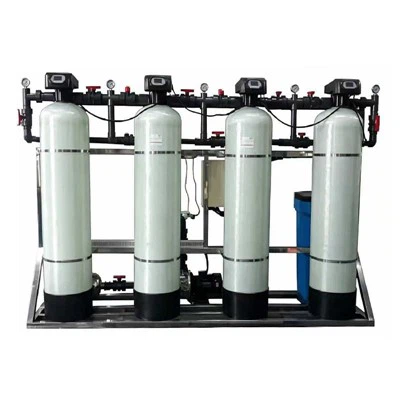
We’re here to help you stay ahead of the curve, because that’s what the future of membrane filtration’s all about—working with you, not against you.
Reverse Osmosis Water System References
- Global Membrane Filtration Market Report, 2024: Growth Drivers and Technological Advancements
- Sustainable Membrane Technology for Water and Wastewater Treatment, Journal of Membrane Science, 2023
- IoT-Enabled Membrane Systems: Applications and Industry Adoption, Industrial Water & Process Magazine, 2024
Shandong Yanuo Environmental Protection Equipment Co., Ltd.
We’re well-known as one of the leading membrane filtration equipment manufacturers and suppliers in China, featured by quality products and good price. Please rest assured to buy bulk membrane filtration equipment made in China here from our factory. Customized orders are welcome.
Address: North Side of the Road, 1,000 Meters West of the Intersection of Fenghuangshan West Road and Provincial Highway S102, Wangfu Subdistrict, Qingzhou City, Weifang City, Shandong Province.
E-mail: ynhb.499973983@gmail.com
WebSite: https://www.zkyaruo.com/
