Hey there, car enthusiasts! I’m guy who works for a car alternator supplier, and I get tons of questions from customers about all sorts of car alternator stuff. One question that pops up a lot is, "Does a car alternator need a capacitor?" Today, I’m gonna dig into this topic and give you the lowdown. Car Alternator
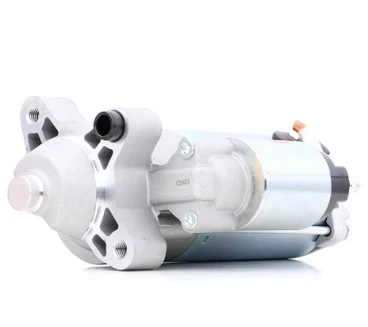
First off, let’s quickly chat about what a car alternator and a capacitor actually do. A car alternator is a crucial part of your vehicle’s electrical system. Its main job is to convert mechanical energy from the engine into electrical energy. This electrical energy charges the battery and powers all the electrical components in your car, like the lights, radio, and air conditioning. In simple terms, it keeps your car’s battery charged while the engine is running.
Now, a capacitor is like a little energy storage unit. It stores electrical energy and can release it quickly when needed. In the context of a car, it can help smooth out voltage fluctuations. When there’s a sudden surge in power demand, like when you turn on all your lights and the radio at the same time, a capacitor can supply that extra power to prevent the voltage from dropping too much.
So, does an alternator need a capacitor? Well, it depends. In most stock cars, the alternator is designed to work just fine without an additional capacitor. The electrical system in modern cars is engineered to handle normal power demands without significant voltage drops. The alternator can adjust its output to keep the battery charged and the electrical components running smoothly.
However, there are some situations where a capacitor can be really useful. If you’ve got a high – end audio system in your car, things can get a bit different. High – powered amplifiers in car audio setups draw a huge amount of power, and they can cause rapid and large voltage drops. These voltage drops can lead to problems like dimming headlights or distorted audio. A capacitor can store up energy and release it when the amplifier needs a quick power boost, helping to maintain a stable voltage.
Another scenario is if you’ve made a lot of electrical modifications to your car, like adding extra LED light bars, high – intensity spotlights, or other power – hungry accessories. In these cases, the alternator might struggle to keep up with the increased power demand all the time. A capacitor can act as a buffer, providing that extra power during peak demand periods and reducing stress on the alternator.
Let’s talk about some of the pros and cons of adding a capacitor to your car’s electrical system, especially in relation to the alternator.
Pros
- Voltage stability: As I mentioned earlier, a capacitor helps keep the voltage stable. This is important not just for audio quality in a high – end audio setup but also for the overall health of your car’s electrical components. Stable voltage means less wear and tear on things like the battery, alternator, and other electronics.
- Quick power delivery: When there’s a sudden power demand, a capacitor can deliver energy much faster than the alternator alone. This can prevent those annoying dips in voltage that can cause lights to flicker or electronics to malfunction.
- Reduced stress on the alternator: By providing extra power during peak demand, a capacitor takes some of the load off the alternator. This can potentially extend the lifespan of the alternator, saving you money in the long run.
Cons
- Cost: Capacitors can be pretty expensive, especially high – quality ones. You’ve gotta factor in the cost of the capacitor itself, as well as the installation. If you’re on a tight budget, it might not be the best option.
- Limited capacity: While a capacitor can store and release energy quickly, it has a limited storage capacity. If you have extremely high – power demands or a long – term power surge, the capacitor might not be able to keep up on its own.
- Installation complexity: Installing a capacitor isn’t a walk in the park. You need to have a good understanding of your car’s electrical system to do it safely and correctly. If it’s not installed properly, it can cause more problems than it solves.
As a car alternator supplier, I’ve seen all sorts of setups. Some customers swear by adding a capacitor, saying it’s improved the performance of their cars’ electrical systems. Others think it’s a waste of money and that the alternator can handle everything on its own.
If you’re thinking about adding a capacitor to your car, my advice is to first assess your specific situation. If you have a stock car with no major electrical modifications, you might not need one. But if you’ve got a high – powered audio system or a lot of electrical accessories, it’s definitely something to consider.
And if you’re looking for the right alternator for your needs, or if you’ve got more questions about capacitors and how they work with alternators, don’t hesitate to reach out. We’re here to help you make the best choices for your car’s electrical system. Whether you’re a DIY enthusiast or a professional mechanic, we’ve got the knowledge and the products to support you.
In conclusion, while a car alternator can function without a capacitor in many cases, there are certain situations where a capacitor can offer significant benefits. It’s all about finding the right balance for your specific vehicle and its electrical requirements.

If you’re interested in learning more or want to discuss your car alternator and capacitor needs, feel free to get in touch with us. We’re always ready to have a chat and help you find the perfect solutions for your car.
Automotive Steering System References
- "Automotive Electrical Systems" by Robert N. Brady
- "Modern Automotive Technology" by James D. Halderman
Shanghai Changshun Imp.&Exp. Co., Ltd.
As one of the most professional car alternator manufacturers and suppliers in China, we are committed to providing high quality OEM service to global clients. We warmly welcome you to buy premium car alternator made in China here from our factory.
Address: No. 1558, Bai’an Road, Anting Town, Jiading District, Shanghai
E-mail: info@changhui-group.com
WebSite: https://www.changhuish.com/
