Hey there! I’m a supplier of PPR valves, and I’ve seen firsthand how water quality can have a huge impact on these little guys. In this blog, I’m gonna break down the effects of different water qualities on PPR valves, so you can make the most informed decisions when it comes to your plumbing needs. PPR Valves

Let’s start with the basics. PPR, or Polypropylene Random Copolymer, is a popular material used in plumbing systems because it’s durable, lightweight, and resistant to corrosion. PPR valves are used to control the flow of water in pipes, and they come in all shapes and sizes. But no matter how well-made a PPR valve is, the quality of the water flowing through it can still take its toll.
Hard Water
One of the most common water quality issues is hard water. Hard water contains high levels of minerals like calcium and magnesium. When hard water flows through PPR valves, these minerals can start to build up inside the valve over time. This buildup, known as scale, can cause a bunch of problems.
First off, scale can reduce the flow of water through the valve. As it accumulates, it narrows the passageway for water, which means you might notice a decrease in water pressure in your faucets or showers. It’s like trying to drink a thick milkshake through a really thin straw – it just doesn’t flow as well.
Secondly, scale can damage the internal components of the valve. The rough surface of the scale can scratch and wear down the rubber seals and gaskets inside the valve. This can lead to leaks, which are not only annoying but can also cause water damage to your property. If you’ve ever had a leaky valve drip onto your floor and cause a stain or even damage the sub – flooring, you know how much of a headache it can be.
Acidic Water
Acidic water, with a pH level below 7, is another problem for PPR valves. Acidic water is corrosive, and it can eat away at the PPR material over time. Even though PPR is generally resistant to corrosion, prolonged exposure to acidic water can weaken the valve.
The acid can break down the molecular structure of the PPR, making the valve more brittle. This means that it’s more likely to crack or break under normal operating conditions. You might not notice the damage right away, but as the valve weakens, it becomes a ticking time bomb. One day, you might turn on the faucet, and suddenly, there’s a crack in the valve, and water is spraying everywhere.
Acidic water can also react with any metal parts in the valve, such as the handles or the internal mechanism. This can cause rust and corrosion on these metal parts, which can further affect the functionality of the valve. A rusty handle might be difficult to turn, and corroded internal parts might not open or close the valve properly.
Contaminated Water
Contaminated water, which can contain things like bacteria, sediment, or chemicals, can also have a negative impact on PPR valves. Bacteria in the water can form biofilms inside the valve. These biofilms are like slimy layers that can clog the valve and reduce its efficiency.
Sediment in the water, such as sand or dirt particles, can act like sandpaper. As the water flows through the valve, these particles can scratch the inner surface of the valve. Over time, these scratches can create rough areas where more sediment and bacteria can accumulate, leading to further clogging and damage.
Chemicals in the water can also be a problem. Some industrial chemicals or cleaning agents that find their way into the water supply can react with the PPR material or the internal components of the valve. This can cause discoloration, degradation, or even a change in the physical properties of the valve.
How to Mitigate the Effects
Now that we’ve talked about the problems, let’s talk about how to deal with them. If you’re dealing with hard water, installing a water softener can be a great solution. A water softener removes the calcium and magnesium ions from the water, reducing the risk of scale buildup in your PPR valves.
For acidic water, a pH neutralizer can be installed in your plumbing system. This device adds chemicals to the water to raise its pH level, making it less corrosive to your valves and pipes.
To deal with contaminated water, a good filtration system can make a big difference. A sediment filter can remove sand, dirt, and other large particles from the water before it reaches the valve. A carbon filter can remove chemicals and improve the taste and odor of the water. And a UV sterilizer can kill bacteria and other microorganisms in the water.
Why Choose Our PPR Valves
As a PPR valve supplier, I know the importance of high – quality valves that can withstand different water conditions. Our PPR valves are made from top – notch materials. We use high – grade PPR resin that has excellent chemical resistance and durability. This means that even if you have hard water, acidic water, or contaminated water, our valves are more likely to last longer.
Our valves also undergo strict quality control tests. We check for things like flow rate, pressure resistance, and leak – tightness to make sure that each valve meets the highest standards. We’re not just selling a product; we’re offering a solution to your plumbing needs.
Contact Us for Your PPR Valve Needs
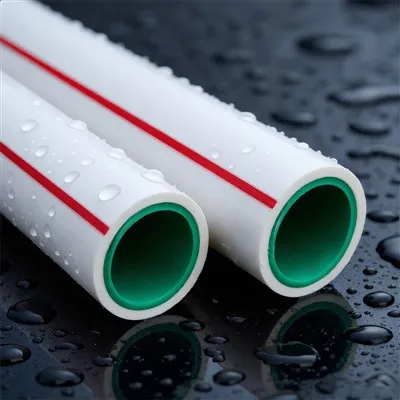
PPR Pipe If you’re in the market for PPR valves, whether you’re a homeowner doing a DIY plumbing project or a professional plumber, we’d love to talk to you. We can help you choose the right valves for your specific water quality and plumbing setup. Just reach out to us, and we’ll be more than happy to answer any questions you have and get you the best PPR valves at a great price. Don’t let water quality issues damage your plumbing – invest in our reliable PPR valves today!
References
- “Water Quality and its Effects on Plumbing Systems” – Journal of Plumbing Science
- “PPR Materials and their Performance in Different Water Conditions” – International Plumbing Research Institute
- “Mitigation Strategies for Water Quality – related Plumbing Problems” – Plumbing and Heating Magazine
Hebei Ruijie Pipe Industry Co., Ltd.
Address: Industrial Park, Shaozhuang Township, Suning County, Cangzhou City, Hebei Province
E-mail: 1987870474@qq.com
WebSite: https://www.rjpprpipe.com/
