Hey there! I’m a supplier of Horizontal Machining Centers, and today I want to chat about the cutting speed range in these awesome machines. Horizontal Machining Centers

First off, let’s quickly understand what a horizontal machining center is. It’s a type of computer numerical control (CNC) machine tool. Unlike vertical machining centers, in a horizontal one, the spindle is oriented horizontally. This setup allows for more efficient machining of certain parts, especially those with complex geometries or multiple sides to be worked on.
Now, let’s dig into the cutting speed range. Cutting speed is super important. It’s basically how fast the cutting tool moves relative to the workpiece. If you get it right, you can boost productivity, improve the quality of the finished part, and reduce tool wear. But if you mess it up, well, you’re looking at all kinds of problems, like poor surface finish, premature tool failure, and slower production times.
The cutting speed range in a horizontal machining center can vary widely depending on several factors. One of the biggies is the type of material you’re working with.
Cutting Speed for Different Materials
Aluminum
Aluminum is a pretty common material in machining. It’s lightweight, easy to machine, and has good corrosion resistance. For aluminum, the cutting speed can range from around 2000 to 6000 surface feet per minute (SFM). That’s a pretty wide range, and the exact speed you choose depends on things like the specific alloy of aluminum, the type of cutting tool you’re using, and the depth of cut. For example, if you’re using a high – performance carbide end mill and a shallow depth of cut, you can push towards the higher end of that range. This will let you machine the part quickly, speeding up your production process.
Steel
Steel is a whole different ballgame. It’s much harder than aluminum, so you need to be more cautious with the cutting speed. For mild steel, the cutting speed typically falls between 100 and 300 SFM. When you’re dealing with alloy steels, which are even harder, the range might be from 50 to 200 SFM. You can’t rush through machining steel like you can with aluminum. If you go too fast, the cutting tool will overheat and wear out really quickly. And that’s not just a tooling cost issue; it can also lead to poor dimensional accuracy in the part you’re making.
Stainless Steel
Stainless steel is notorious for being difficult to machine. It has high strength and low thermal conductivity, which means heat builds up really easily at the cutting edge. The cutting speed range for stainless steel is usually between 40 and 150 SFM. You need to take your time when working with stainless steel, using appropriate cutting tools and coolants to manage the heat. Slow and steady often wins the race when it comes to machining stainless steel in a horizontal machining center.
Titanium
Titanium is another challenging material. It has excellent strength – to – weight ratio, but it’s also very tough and has low thermal conductivity. The cutting speed for titanium in a horizontal machining center is relatively low, typically ranging from 20 to 60 SFM. Machining titanium requires specialized cutting tools and careful control of the cutting process to avoid tool breakage and get a good surface finish.
Other Factors Affecting Cutting Speed
Tool Geometry
The shape and design of the cutting tool play a big role in determining the cutting speed range. A tool with a sharp cutting edge can generally handle higher cutting speeds than a dull one. Also, tools with complex geometries, like multi – fluted end mills, might have different optimal cutting speeds compared to simple single – point cutting tools. For example, a high – helix end mill can evacuate chips more effectively, allowing for higher cutting speeds.
Coolant Usage
Using coolant can significantly impact the cutting speed. Coolant helps to reduce heat at the cutting edge, wash away chips, and lubricate the cutting process. When you use a good coolant, you can often increase the cutting speed. For instance, in some cases, using a high – pressure coolant system with a horizontal machining center can allow you to push the cutting speed up by 20 – 30% compared to dry machining.
Depth of Cut and Feed Rate
The depth of cut and the feed rate are also closely related to the cutting speed. A larger depth of cut usually requires a lower cutting speed to prevent excessive tool wear. Similarly, a higher feed rate might need to be paired with a lower cutting speed to maintain the quality of the cut. You need to find the right balance between these three factors to optimize the machining process.
Why Knowing the Right Cutting Speed Range Matters
As a supplier of horizontal machining centers, I’ve seen firsthand how getting the cutting speed right can make or break a manufacturing operation. When you operate within the correct cutting speed range:
- Productivity Increases: You can machine parts faster, which means you can produce more parts in less time. This can give you a competitive edge in the market.
- Tool Life is Extended: By using the appropriate cutting speed, you reduce the wear and tear on your cutting tools. This saves you money on tooling costs in the long run.
- Quality is Improved: You get a better surface finish on the parts, and the dimensional accuracy is higher. This leads to fewer rejects and happier customers.
On the other hand, if you use the wrong cutting speed:
- Tool Failure is Common: Tools can break or wear out prematurely, causing downtime and increasing costs.
- Poor Surface Finish: The parts may have rough surfaces, which can affect their functionality and aesthetics.
- Slow Production: You might end up machining at a slower pace than necessary, reducing your overall productivity.
Finding Your Optimal Cutting Speed
So, how do you figure out the best cutting speed for your specific job? Well, it’s a bit of a trial – and – error process, but there are some guidelines you can follow.
First, refer to the tool manufacturer’s recommendations. They usually provide cutting speed charts based on the type of tool, the material being machined, and other factors. These are a great starting point.
Then, do some test cuts. Start at the lower end of the recommended cutting speed range and gradually increase it while monitoring the machining process. Look for signs like chip formation, surface finish, and tool wear. If the chips are coming off in long, continuous curls and the surface finish is good, you’re on the right track. If the chips are short and chunky or the tool starts to wear rapidly, you might be going too fast.
You can also use some advanced machining software. These programs can analyze your machining parameters and suggest the optimal cutting speed based on the specific job requirements.
Let’s Talk Business
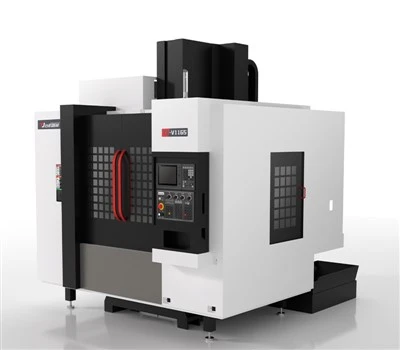
If you’re in the market for a horizontal machining center or need more advice on cutting speed ranges and other machining parameters, I’d love to chat. I’ve got a lot of experience in this field, and I can help you find the right machine and set it up for your needs. Whether you’re a small – scale workshop or a large manufacturing facility, I’ve got solutions that can work for you.
Horizontal Machining Centers Get in touch, and let’s have a conversation about how we can boost your productivity and improve the quality of your machined parts. It’s time to take your manufacturing process to the next level!
References
- "Machining Handbook" by Industrial Press Inc.
- Technical Bulletins from various cutting tool manufacturers
Guangdong Taiji Intelligent Equipment Co., Ltd.
With abundant experience, we are one of the most professional horizontal machining centers manufacturers and suppliers in China. Please feel free to buy cheap horizontal machining centers for sale here from our factory. For price consultation, contact us.
Address: Room 107, Building 15, No. 911 Jian’an Road, Chang’an Town, Dongguan City, Guangdong Province
E-mail: sale@gdtaijicnc.com
WebSite: https://www.gdtaijicnc.com/
