Hey there! As a supplier of material testing machines, I often get asked some really interesting questions from my clients. One question that popped up recently is, "Can material testing machines test the biodegradability of materials?" Well, let’s dig into this topic and find out. Material Testing Machines
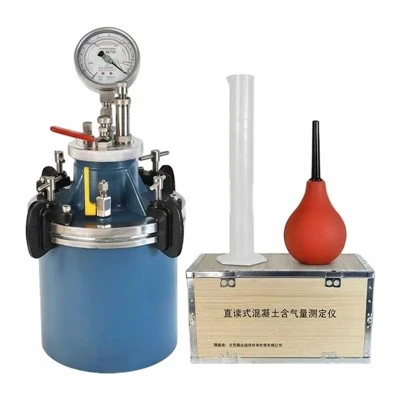
First off, let’s understand what biodegradability is. Biodegradability is the ability of a material to break down into simpler substances by the action of living organisms like bacteria, fungi, and algae. It’s a big deal these days as we’re all becoming more environmentally conscious. We want to use materials that won’t stick around in landfills for centuries, causing pollution.
Now, when it comes to material testing machines, these bad boys are designed for all sorts of tests. They can measure a material’s strength, flexibility, hardness, and so on. But the big question is, can they handle the task of testing biodegradability?
There are a few different ways we can test for biodegradability, and some material testing machines can play a part in certain aspects of it.
One common method is the respirometric test. In this test, we put the material in a controlled environment with microorganisms and measure the amount of carbon dioxide (CO2) that’s produced as the material breaks down. You see, when a material biodegrades, the carbon in it gets converted into CO2 by the microorganisms. So, by measuring the CO2, we can get an idea of how fast and how completely the material is biodegrading.
Some of our advanced material testing machines can be used to monitor the environmental conditions during the respirometric test. They can keep track of things like temperature, humidity, and oxygen levels. These factors are crucial because microorganisms work best under certain conditions. If the temperature is too high or too low, or if there’s not enough oxygen, the biodegradation process can slow down or even stop. So, our machines can help ensure that the test is carried out in the right environment, giving us more accurate results.
Another method is the composting test. Here, we mix the material with compost and let it sit for a while. Then, we check to see how much of the material has broken down. Our material testing machines can be used to analyze the physical properties of the material before and after the composting process. For example, we can use a tensile tester to measure the material’s strength. If the material has biodegraded, its strength will usually decrease. We can also use a rheometer to measure the material’s viscosity. A change in viscosity can also indicate that biodegradation has occurred.
But it’s important to note that material testing machines can’t do the whole job on their own. Biodegradability testing is a long – term process that involves a lot of biological factors. You need a team of experts, including microbiologists and environmental scientists, to interpret the results. The machines are just tools that help us in gathering data and creating the right conditions for the tests.
There are also some limitations. For instance, some materials might biodegrade very slowly. It could take months or even years to see a significant amount of breakdown. And our testing machines are typically designed for shorter – term, more rapid tests. So, in cases where the biodegradation process is extremely slow, it can be a challenge to use our machines effectively.
Another issue is that different environments can have a huge impact on biodegradability. A material that biodegrades quickly in a compost pit might take much longer to break down in the ocean or in a landfill. Our material testing machines can create controlled laboratory environments, but they can’t fully replicate the complexity of real – world conditions.
However, despite these limitations, material testing machines are still super valuable in biodegradability testing. They provide us with quantitative data that we can use to compare different materials. For example, if a company is developing a new biodegradable plastic, they can use our machines to test different formulations and see which one biodegrades the fastest and most completely.
In the world of sustainable materials, biodegradability testing is becoming more and more important. Governments are introducing stricter regulations, and consumers are demanding products that are better for the environment. So, if you’re a company involved in the production of materials, having accurate information about the biodegradability of your products is crucial.
That’s where we come in. As a supplier of material testing machines, we offer a wide range of equipment that can be used in biodegradability testing. Our machines are designed to be user – friendly, accurate, and reliable. We also provide training and support to make sure that you can use our machines to their full potential.
If you’re interested in learning more about how our material testing machines can help you with biodegradability testing, or if you have any other questions about our products, don’t hesitate to get in touch. We’re always happy to have a chat and see how we can assist you in your material testing needs. Whether you’re a small startup looking to develop a new biodegradable product or a large corporation trying to meet environmental standards, we’ve got the right solutions for you.
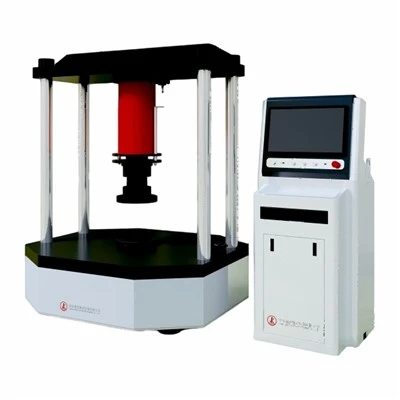
So, if you’re ready to take the next step in sustainable material testing, reach out to us. Let’s work together to create a greener, more sustainable future.
Construction Material Testing Equipment References:
- ASTM International standards on biodegradability testing
- ISO standards related to environmental testing of materials
- Research papers on the application of material testing in biodegradability studies from scientific journals like Environmental Science & Technology
Hebei Wanluda Testing Instrument Equipment Co., Ltd.
As one of the most professional material testing machines manufacturers and suppliers in China, we have world-leading production equipment and strong manufacturing capabilities. Please rest assured to buy advanced material testing machines made in China here from our factory.
Address: Zhouguantun Village, Xian County, Cangzhou City, Hebei Province, P.R.China
E-mail: wldinstrument@163.com
WebSite: https://www.wldinstrument.com/
