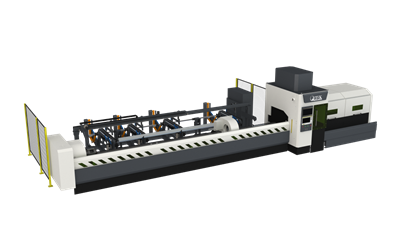
In the dynamic landscape of modern manufacturing and logistics, the Material Storage and Automatic Loading/Unloading System (MSALUS) has emerged as a cornerstone of operational efficiency. As a leading provider of MSALUS solutions, I’ve witnessed firsthand the transformative impact these systems have on businesses across various industries. One of the most frequently asked questions by our clients is about the energy consumption of these systems. In this blog post, I’ll delve into the intricacies of energy consumption in MSALUS, exploring the factors that influence it and the strategies we employ to optimize energy use. Material Storage and Automatic Loading/Unloading System
Understanding the Basics of Energy Consumption in MSALUS
At its core, an MSALUS is a complex network of components designed to store, retrieve, and transport materials with minimal human intervention. These components include storage racks, conveyors, automated guided vehicles (AGVs), robotic arms, and control systems. Each of these elements consumes energy in different ways, and the overall energy consumption of the system is a sum of these individual components’ usage.
Storage Racks
Storage racks are the backbone of any MSALUS, providing a stable and organized space for storing materials. While the energy consumption of storage racks is relatively low, it’s not negligible. The lighting systems used to illuminate the racks, as well as any temperature and humidity control systems, contribute to the overall energy usage. Additionally, if the racks are equipped with automated retrieval systems, such as vertical lift modules or shuttle systems, these components will also consume energy.
Conveyors
Conveyors are used to transport materials between different areas of the MSALUS, such as from the storage racks to the loading/unloading stations. The energy consumption of conveyors depends on several factors, including the length of the conveyor, the speed at which it operates, and the weight of the materials being transported. Longer conveyors and higher operating speeds generally require more energy, as do conveyors that are carrying heavier loads.
Automated Guided Vehicles (AGVs)
AGVs are self – propelled vehicles that are used to transport materials within the MSALUS. They are typically powered by batteries, and the energy consumption of AGVs depends on their size, payload capacity, and the distance they travel. AGVs with larger payloads and longer travel distances will consume more energy. Additionally, the efficiency of the AGV’s motor and control system can also have a significant impact on energy consumption.
Robotic Arms
Robotic arms are used for tasks such as picking and placing materials, and they are one of the more energy – intensive components of an MSALUS. The energy consumption of robotic arms depends on their size, the number of axes of movement, and the complexity of the tasks they perform. Larger robotic arms with more axes of movement and more complex tasks will generally consume more energy.
Control Systems
Control systems are responsible for managing the operation of the MSALUS, ensuring that all components work together seamlessly. These systems consume energy to power the computers, sensors, and communication devices that are used to monitor and control the system. While the energy consumption of control systems is relatively small compared to other components, it’s still an important factor to consider.
Factors Influencing Energy Consumption
Several factors can influence the energy consumption of an MSALUS. Understanding these factors is crucial for optimizing energy use and reducing operating costs.
System Design
The design of the MSALUS plays a significant role in determining its energy consumption. A well – designed system will minimize the distance that materials need to travel, reduce the number of unnecessary movements, and optimize the use of components. For example, a system that is designed with a centralized storage area and a network of efficient conveyors will generally consume less energy than a system with multiple decentralized storage areas and longer conveyor runs.
Material Handling Requirements
The type and volume of materials being handled by the MSALUS also have a major impact on energy consumption. Heavier materials require more energy to transport and store, and materials that require special handling, such as temperature – controlled or hazardous materials, may also increase energy usage. Additionally, the frequency of loading and unloading operations can affect energy consumption, as more frequent operations generally require more energy.
Operating Conditions
The operating conditions of the MSALUS, such as the temperature, humidity, and ambient light, can also influence energy consumption. For example, a system that operates in a hot and humid environment may require more energy for cooling and dehumidification, while a system that operates in a dimly lit environment may require more energy for lighting.
Equipment Efficiency
The efficiency of the individual components of the MSALUS is another important factor. High – efficiency motors, sensors, and control systems can significantly reduce energy consumption. For example, using energy – efficient motors in conveyors and AGVs can reduce power consumption, while using advanced sensors can optimize the operation of the system and reduce unnecessary energy usage.
Strategies for Optimizing Energy Consumption
As a supplier of MSALUS, we are committed to helping our clients reduce their energy consumption and operating costs. Here are some of the strategies we employ:
Energy – Efficient Design
We work closely with our clients to design MSALUS that are optimized for energy efficiency. This includes using advanced simulation tools to model the flow of materials through the system and identify areas where energy can be saved. For example, we may recommend the use of shorter conveyor runs, more efficient storage layouts, and the integration of renewable energy sources.
Equipment Selection
We carefully select the components of the MSALUS to ensure that they are energy – efficient. This includes choosing high – efficiency motors, sensors, and control systems, as well as using materials and technologies that are designed to reduce energy consumption. For example, we may recommend the use of LED lighting in storage racks, which consumes less energy than traditional lighting systems.
Intelligent Control Systems
We use intelligent control systems to optimize the operation of the MSALUS. These systems can monitor the energy consumption of the individual components in real – time and adjust the operation of the system accordingly. For example, the control system can reduce the speed of the conveyors when there is less material to transport, or it can turn off the lighting in areas of the storage racks that are not in use.
Maintenance and Monitoring
Regular maintenance and monitoring of the MSALUS are essential for ensuring optimal energy efficiency. We provide our clients with a comprehensive maintenance program that includes regular inspections, cleaning, and calibration of the components. Additionally, we use advanced monitoring systems to track the energy consumption of the system over time and identify any potential issues or areas for improvement.
Case Studies: Real – World Examples of Energy Optimization
To illustrate the effectiveness of our energy optimization strategies, let’s look at a few case studies.
Case Study 1: A Manufacturing Facility
A manufacturing facility was experiencing high energy costs due to the operation of its MSALUS. We conducted a detailed energy audit of the system and identified several areas where energy could be saved. We recommended the installation of energy – efficient motors in the conveyors and AGVs, as well as the implementation of an intelligent control system. After the implementation of these measures, the facility was able to reduce its energy consumption by 25% and save a significant amount of money on operating costs.
Case Study 2: A Distribution Center
A distribution center was looking to improve the energy efficiency of its MSALUS. We designed a new system that incorporated a centralized storage area and a network of efficient conveyors. We also recommended the use of LED lighting in the storage racks and the installation of a solar panel system to provide renewable energy. As a result of these changes, the distribution center was able to reduce its energy consumption by 30% and achieve a more sustainable operation.
Conclusion
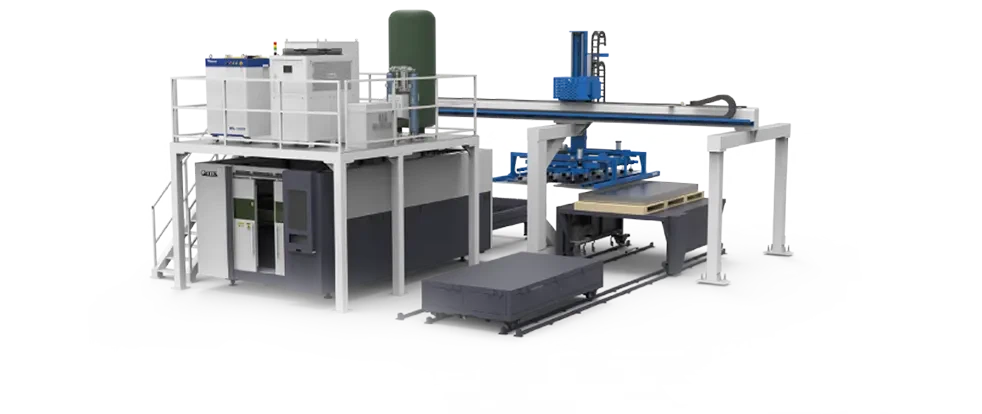
The energy consumption of the Material Storage and Automatic Loading/Unloading System is a complex issue that is influenced by several factors. As a supplier of MSALUS, we are dedicated to helping our clients understand these factors and implement strategies to optimize energy use. By using energy – efficient design, equipment selection, intelligent control systems, and regular maintenance and monitoring, we can help our clients reduce their energy consumption, lower their operating costs, and achieve a more sustainable operation.
Material Storage and Automatic Loading/Unloading System If you’re interested in learning more about how our MSALUS can help you optimize energy consumption and improve your operational efficiency, we invite you to contact us for a consultation. Our team of experts is ready to work with you to design a customized solution that meets your specific needs.
References
- [Author’s Name], [Title of Book], [Publisher], [Year of Publication]
- [Author’s Name], [Title of Journal Article], [Journal Name], [Volume], [Issue], [Pages], [Year of Publication]
- [Author’s Name], [Title of Report], [Organization], [Year of Publication]
Suzhou Quick Laser Technology Co., Ltd.
Suzhou Quick Laser Technology Co., Ltd. is one of the most professional material storage and automatic loading/unloading system manufacturers and suppliers in China, featured by quality products and good price. Please feel free to buy durable material storage and automatic loading/unloading system for sale here from our factory. For more information, contact us now.
Address: No. 6, Qingqiu Street, Industrial Park, Suzhou, Jiangsu Province, China
E-mail: info@qlteklaser.com
WebSite: https://www.qlteklaser.com/
