What is the torsional strength of an aluminum tube?
As a supplier of aluminum tubes, I’ve often been asked about the torsional strength of these products. Torsional strength is a critical property, especially in applications where the tube will be subjected to twisting forces. In this blog, I’ll delve into what torsional strength is, how it relates to aluminum tubes, and why it matters in various industries. Aluminum Tube
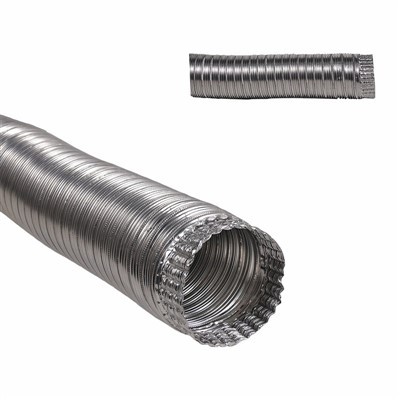
Understanding Torsional Strength
Torsional strength refers to the maximum amount of torque a material can withstand before it fails under twisting. When a torque is applied to an object, such as an aluminum tube, it causes the material to twist. The torsional strength determines the limit at which the tube will deform or break.
Mathematically, torsional strength is related to the shear stress within the material. Shear stress occurs when two parts of a material slide past each other in opposite directions. In the case of a tube under torsion, the shear stress is distributed across the cross – section of the tube. The formula for shear stress ((\tau)) in a circular tube under torsion is given by:
(\tau=\frac{T r}{J})
where (T) is the applied torque, (r) is the radial distance from the center of the tube to the point where the shear stress is being calculated, and (J) is the polar moment of inertia of the tube’s cross – section. The polar moment of inertia is a geometric property that depends on the tube’s outer radius ((R)) and inner radius ((r_i)) and is calculated as (J=\frac{\pi}{2}(R^{4}-r_{i}^{4})) for a hollow circular tube.
The torsional strength is reached when the shear stress exceeds the material’s shear strength. For aluminum, the shear strength is a material property that depends on the alloy type, heat treatment, and manufacturing process.
Factors Affecting the Torsional Strength of Aluminum Tubes
- Alloy Composition: Different aluminum alloys have different mechanical properties, including shear strength. For example, 6061 – T6 aluminum alloy is a popular choice for structural applications. It has a relatively high strength – to – weight ratio and good corrosion resistance. The T6 temper indicates that the alloy has been solution heat – treated and artificially aged, which enhances its strength. In contrast, 3003 aluminum alloy is more malleable and has lower strength, which means its torsional strength will also be lower compared to 6061 – T6.
- Tube Geometry: The outer diameter, inner diameter, and wall thickness of the aluminum tube play a significant role in its torsional strength. A tube with a larger outer diameter and thicker wall will generally have a higher polar moment of inertia ((J)). According to the shear stress formula (\tau=\frac{T r}{J}), for a given torque (T), a larger (J) will result in lower shear stress, allowing the tube to withstand more torque before reaching its torsional strength.
- Manufacturing Process: The way the aluminum tube is manufactured can also affect its torsional strength. Extruded aluminum tubes are commonly used, and the extrusion process can align the grain structure of the aluminum, which can enhance its strength in the direction of extrusion. However, improper manufacturing techniques, such as uneven wall thickness or surface defects, can weaken the tube and reduce its torsional strength.
- Heat Treatment: As mentioned earlier, heat treatment can significantly improve the mechanical properties of aluminum. Solution heat treatment followed by aging can increase the hardness and strength of the alloy, thereby increasing its torsional strength. For example, the T6 temper mentioned above is a common heat – treatment process for 6061 aluminum alloy that results in improved strength.
Importance of Torsional Strength in Different Industries
- Automotive Industry: In the automotive industry, aluminum tubes are used in various components, such as drive shafts and suspension systems. These components are subjected to significant torsional forces during operation. A drive shaft, for example, transfers torque from the engine to the wheels. If the torsional strength of the aluminum tube used in the drive shaft is insufficient, it can lead to failure, which can be dangerous and costly.
- Aerospace Industry: Aluminum tubes are widely used in the aerospace industry due to their high strength – to – weight ratio. In aircraft structures, tubes may be used in wings, fuselages, and landing gear. These components are exposed to complex loading conditions, including torsional forces during flight maneuvers. Ensuring that the aluminum tubes have sufficient torsional strength is crucial for the safety and performance of the aircraft.
- Industrial Machinery: In industrial machinery, aluminum tubes are used in conveyor systems, robotic arms, and other equipment. These applications often require the tubes to withstand torsional forces while maintaining their shape and integrity. For example, a robotic arm may need to twist and turn during operation, and the aluminum tubes used in its construction must have adequate torsional strength to prevent deformation or failure.
Testing the Torsional Strength of Aluminum Tubes
To determine the torsional strength of an aluminum tube, a torsion test is typically conducted. In a torsion test, a specimen of the tube is fixed at one end, and a torque is applied to the other end using a torsion testing machine. The machine measures the applied torque and the angle of twist as the tube is twisted.
The test continues until the tube fails, either by reaching its maximum shear strength and deforming plastically or by fracturing. The maximum torque applied at the point of failure is recorded as the torsional strength of the tube.
It’s important to note that the results of a torsion test can be affected by factors such as the specimen size, testing speed, and the alignment of the specimen in the testing machine. Therefore, standard testing procedures, such as those defined by ASTM (American Society for Testing and Materials), are often followed to ensure accurate and comparable results.
Selecting the Right Aluminum Tube for Torsional Applications
When selecting an aluminum tube for an application that requires high torsional strength, several factors need to be considered.
- Alloy Selection: Choose an aluminum alloy with high shear strength, such as 6061 – T6 or 7075 – T6. These alloys are known for their excellent mechanical properties and are commonly used in high – stress applications.
- Tube Dimensions: Select a tube with an appropriate outer diameter, inner diameter, and wall thickness. A larger outer diameter and thicker wall will generally result in higher torsional strength. However, it’s also important to consider the weight and cost of the tube, as larger and thicker tubes may be heavier and more expensive.
- Manufacturing Quality: Ensure that the tube is manufactured to high quality standards. Look for tubes with uniform wall thickness, smooth surfaces, and no defects. A high – quality tube will have better torsional strength and reliability.
As a supplier of aluminum tubes, I understand the importance of torsional strength in different applications. We offer a wide range of aluminum tubes in various alloys, sizes, and wall thicknesses to meet the diverse needs of our customers. Whether you’re in the automotive, aerospace, or industrial machinery industry, we can provide you with the right aluminum tube for your torsional applications.
PVC Steel Wire Hose If you’re interested in purchasing aluminum tubes for your project, I encourage you to contact us for a detailed discussion. Our team of experts can help you select the most suitable tube based on your specific requirements and provide you with competitive pricing. Let’s work together to ensure the success of your project.
References
- Callister, W. D., & Rethwisch, D. G. (2017). Materials Science and Engineering: An Introduction. Wiley.
- ASM Handbook Committee. (2000). ASM Handbook, Volume 2: Properties and Selection: Nonferrous Alloys and Special – Purpose Materials. ASM International.
- ASTM International. (2018). ASTM Standards on Metals and Alloys. ASTM International.
Dongyang Hstube Co., Ltd.
As one of the leading aluminum tube manufacturers and suppliers in China, we warmly welcome you to wholesale cheap aluminum tube for sale here from our factory. If you have any enquiry about free sample, please feel free to email us. Quality products and reasonable price are available.
Address: NO.5 CHENGDONG ECOLOGICAL INDUSTRIAL ZONE, DONGYANG, ZHEJIANG, CHINA.
E-mail: sales@hstube.com
WebSite: https://www.ductword.com/
