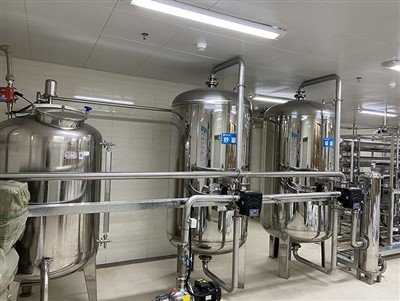
Selecting the appropriate ion – exchange resin for a deionized water system is a critical decision that can significantly impact the efficiency, performance, and cost – effectiveness of the system. As a supplier of deionized water systems, I have witnessed firsthand the importance of making the right resin choice. In this blog, I will share some key considerations and guidelines to help you select the most suitable ion – exchange resin for your specific deionized water needs. Deionized Water System
Understanding Ion – Exchange Resins
Ion – exchange resins are small, porous beads made of a polymer matrix with active sites that can exchange ions. These resins are used in deionized water systems to remove dissolved ions such as calcium, magnesium, sodium, chloride, and sulfate from water. There are two main types of ion – exchange resins: cation exchange resins and anion exchange resins.
Cation exchange resins are designed to remove positively charged ions (cations) from water. They typically contain sulfonic acid groups that can exchange hydrogen ions (H⁺) for cations in the water. Anion exchange resins, on the other hand, are used to remove negatively charged ions (anions). They usually have quaternary ammonium groups that can exchange hydroxide ions (OH⁻) for anions in the water.
Factors to Consider When Selecting Ion – Exchange Resins
1. Water Quality Requirements
The first step in selecting the appropriate ion – exchange resin is to understand your water quality requirements. Different applications have different purity requirements for deionized water. For example, in the pharmaceutical industry, high – purity water with extremely low levels of ions is required for drug manufacturing. In contrast, in some industrial processes, a lower level of deionization may be sufficient.
You need to determine the specific ions that need to be removed from your water and the desired level of purity. This information will help you choose the right type and capacity of ion – exchange resin. For instance, if your water contains high levels of calcium and magnesium (hard water), a strong acid cation exchange resin may be the best choice to remove these cations effectively.
2. Resin Type
As mentioned earlier, there are cation and anion exchange resins. Additionally, there are different subtypes of each type, such as strong acid cation (SAC), weak acid cation (WAC), strong base anion (SBA), and weak base anion (WBA) resins.
- Strong Acid Cation (SAC) Resins: These resins are highly effective at removing all types of cations, including hard water ions and heavy metals. They are regenerated with a strong acid, such as hydrochloric acid or sulfuric acid. SAC resins are suitable for applications where a high degree of cation removal is required.
- Weak Acid Cation (WAC) Resins: WAC resins are mainly used for the removal of alkaline earth metals and can be regenerated more efficiently than SAC resins. They are often used in combination with SAC resins to reduce the overall regeneration cost.
- Strong Base Anion (SBA) Resins: SBA resins are capable of removing all types of anions, including strong acids and weak acids. They are regenerated with a strong base, such as sodium hydroxide. SBA resins are essential for applications where a high level of anion removal is necessary.
- Weak Base Anion (WBA) Resins: WBA resins are effective at removing strong acids but have limited capacity for weak acids. They are regenerated with a weak base and are often used in combination with SBA resins to improve the overall efficiency of the deionization process.
3. Resin Capacity
The capacity of an ion – exchange resin refers to the amount of ions it can exchange before it needs to be regenerated. Resin capacity is typically expressed in terms of milliequivalents per gram (meq/g) or milliequivalents per liter (meq/L).
When selecting a resin, you need to consider the flow rate of your water and the concentration of ions in the water. A higher flow rate or a higher concentration of ions will require a resin with a higher capacity. If you choose a resin with a lower capacity than required, the resin will need to be regenerated more frequently, which can increase the operating cost and downtime of the deionized water system.
4. Resin Selectivity
Resin selectivity refers to the resin’s ability to preferentially exchange certain ions over others. Different resins have different selectivity coefficients for various ions. For example, some cation exchange resins may have a higher selectivity for calcium ions than for sodium ions.
Understanding the resin selectivity is important, especially when your water contains multiple types of ions. You can choose a resin with the appropriate selectivity to ensure that the target ions are removed more effectively. This can improve the overall performance of the deionized water system and reduce the amount of resin required.
5. Regeneration Requirements
The regeneration process is an important aspect of ion – exchange resin operation. Different resins have different regeneration requirements in terms of the type and concentration of regenerant, the regeneration flow rate, and the regeneration time.
Strong acid cation resins and strong base anion resins typically require a strong acid or a strong base for regeneration, respectively. Weak acid cation resins and weak base anion resins can be regenerated with a weaker acid or a weaker base, which can be more cost – effective.
You need to consider the availability and cost of the regenerant, as well as the environmental impact of the regeneration process. Some industries may have strict regulations regarding the disposal of regenerant waste, so it is important to choose a resin and a regeneration method that comply with these regulations.
6. Physical and Chemical Stability
The ion – exchange resin should have good physical and chemical stability to ensure a long service life. The resin should be resistant to mechanical stress, such as abrasion and pressure, as well as chemical attack from the water and the regenerant.
Resins with a high cross – linking density are generally more stable and have a longer service life. However, they may also have a lower capacity and a slower ion – exchange rate. You need to balance the stability and the performance of the resin based on your specific application requirements.
Practical Steps for Resin Selection
1. Water Analysis
The first step is to conduct a comprehensive water analysis to determine the type and concentration of ions in the water. This analysis should include the measurement of major cations (such as calcium, magnesium, sodium, and potassium) and anions (such as chloride, sulfate, nitrate, and carbonate).
You can send a water sample to a professional laboratory for analysis or use in – house testing kits. The results of the water analysis will provide the basis for selecting the appropriate ion – exchange resin.
2. Consultation with Experts
If you are unsure about which resin to choose, it is advisable to consult with experts in the field of ion – exchange technology. As a deionized water system supplier, we have a team of experienced engineers who can provide you with professional advice based on your water quality requirements and system specifications.
We can help you evaluate different resin options, calculate the resin capacity and regeneration requirements, and recommend the most suitable resin for your application.
3. Pilot Testing
Before installing a large – scale deionized water system, it is a good idea to conduct a pilot test using a small – scale ion – exchange unit. This test can help you evaluate the performance of the selected resin under actual operating conditions.
During the pilot test, you can monitor the water quality, the resin capacity, and the regeneration efficiency. Based on the results of the pilot test, you can make any necessary adjustments to the resin selection or the system operation.
Conclusion
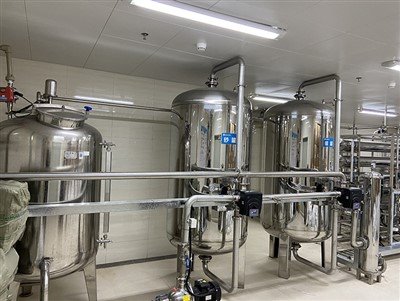
Selecting the appropriate ion – exchange resin for a deionized water system is a complex process that requires careful consideration of various factors. By understanding your water quality requirements, choosing the right resin type, capacity, and selectivity, and considering the regeneration requirements and physical and chemical stability, you can ensure the efficient and cost – effective operation of your deionized water system.
EDI Pure Water System If you are in the market for a deionized water system or need assistance in selecting the appropriate ion – exchange resin, we are here to help. Our team of experts can provide you with customized solutions based on your specific needs. Contact us to start a discussion about your deionized water requirements and explore how we can support your project.
References
- "Ion Exchange Technology" by Helfferich, F.
- "Water Treatment Handbook" by AWWA.
- "Principles of Water Treatment" by Letterman, R. D.
Shenzhen Jkon Environmental Protection Technology Co., Ltd.
As one of the most professional deionized water system manufacturers and suppliers in China, we’re featured by quality products and good service. Please rest assured to buy customized deionized water system made in China here from our factory. Contact us for more details.
Address: Shanghenglang Industrial park, Daloang Street, Longhua District, Shenzhen, China
E-mail: sales@jkontech.com
WebSite: https://www.jkontech.com/
