As a supplier of Screened Flexible Cables, I’ve witnessed firsthand the importance of proper termination methods in ensuring the optimal performance and safety of these cables. Screened flexible cables are designed to protect against electromagnetic interference (EMI) and radio frequency interference (RFI), making them ideal for a wide range of applications, from industrial machinery to telecommunications. In this blog post, I’ll explore the various termination methods for screened flexible cables, their advantages and disadvantages, and how to choose the right method for your specific needs. Screened Flexible Cable

1. Crimp Termination
Crimp termination is one of the most common methods used for terminating screened flexible cables. This method involves using a crimping tool to compress a metal connector onto the cable conductor and the screen. The crimping process creates a secure electrical connection between the cable and the connector, ensuring reliable performance.
Advantages
- High reliability: Crimped connections are known for their durability and resistance to vibration and mechanical stress. This makes them suitable for applications where the cable may be subject to movement or shock.
- Ease of installation: Crimping is a relatively simple process that can be performed quickly with the right tools. This makes it a popular choice for both professional installers and DIY enthusiasts.
- Good electrical conductivity: The metal connectors used in crimp termination provide excellent electrical conductivity, minimizing signal loss and ensuring efficient transmission of power and data.
Disadvantages
- Requires specialized tools: Crimping requires a crimping tool that is specifically designed for the type and size of the connector being used. This can be a significant investment, especially for occasional users.
- Skill required: Proper crimping requires a certain level of skill and experience to ensure a secure and reliable connection. Incorrect crimping can lead to poor electrical performance and even safety hazards.
- Limited reusability: Once a connector has been crimped onto a cable, it is difficult to remove and reuse. This can be a drawback if the cable needs to be modified or replaced in the future.
2. Solder Termination
Solder termination involves using a soldering iron to melt solder onto the cable conductor and the screen, creating a permanent electrical connection. This method is commonly used in applications where a high level of electrical conductivity and mechanical strength is required.
Advantages
- Excellent electrical conductivity: Soldered connections provide very low resistance, ensuring efficient transmission of power and data. This makes them ideal for high-speed and high-power applications.
- Mechanical strength: Soldered connections are strong and durable, providing a reliable connection that can withstand mechanical stress and vibration.
- Versatility: Solder termination can be used with a wide range of cable types and connector styles, making it a flexible option for different applications.
Disadvantages
- Requires specialized skills: Soldering requires a certain level of skill and experience to ensure a proper connection. Incorrect soldering can lead to poor electrical performance, short circuits, and even fire hazards.
- Time-consuming: Soldering is a relatively slow process, especially when compared to crimping. This can be a drawback in applications where time is of the essence.
- Heat sensitivity: The heat generated during soldering can damage the cable insulation and the screen, especially if the soldering iron is not used correctly. This can lead to reduced performance and even cable failure.
3. Compression Termination
Compression termination involves using a compression tool to compress a metal sleeve onto the cable conductor and the screen, creating a tight and secure connection. This method is similar to crimp termination, but it uses a different type of tool and connector.
Advantages
- High reliability: Compression connections are known for their durability and resistance to vibration and mechanical stress. This makes them suitable for applications where the cable may be subject to movement or shock.
- Ease of installation: Compression termination is a relatively simple process that can be performed quickly with the right tools. This makes it a popular choice for both professional installers and DIY enthusiasts.
- Good electrical conductivity: The metal sleeves used in compression termination provide excellent electrical conductivity, minimizing signal loss and ensuring efficient transmission of power and data.
Disadvantages
- Requires specialized tools: Compression termination requires a compression tool that is specifically designed for the type and size of the connector being used. This can be a significant investment, especially for occasional users.
- Skill required: Proper compression requires a certain level of skill and experience to ensure a secure and reliable connection. Incorrect compression can lead to poor electrical performance and even safety hazards.
- Limited reusability: Once a connector has been compressed onto a cable, it is difficult to remove and reuse. This can be a drawback if the cable needs to be modified or replaced in the future.
4. Insulation Displacement Termination (IDT)
Insulation Displacement Termination (IDT) is a method of terminating cables that involves using a special connector that cuts through the cable insulation and makes contact with the conductor. This method is commonly used in telecommunications and data networking applications.
Advantages
- Ease of installation: IDT is a very simple and quick method of terminating cables. It does not require any soldering or crimping, which makes it ideal for applications where time is of the essence.
- No stripping required: IDT connectors are designed to cut through the cable insulation, eliminating the need for stripping the insulation manually. This saves time and reduces the risk of damage to the cable.
- Good electrical conductivity: IDT connectors provide a reliable electrical connection, ensuring efficient transmission of power and data.
Disadvantages
- Limited cable types: IDT is only suitable for certain types of cables, such as twisted pair cables. It may not be suitable for other types of cables, such as coaxial cables.
- Mechanical strength: IDT connections may not be as strong as crimped or soldered connections, especially in applications where the cable may be subject to mechanical stress or vibration.
- Compatibility issues: IDT connectors may not be compatible with all types of equipment or systems. It is important to ensure that the connector is compatible with the specific application before using it.
5. Choosing the Right Termination Method
When choosing a termination method for your screened flexible cable, there are several factors to consider, including the application requirements, the type of cable, the connector type, and the level of skill and experience of the installer. Here are some general guidelines to help you choose the right method:
- Application requirements: Consider the specific requirements of your application, such as the level of electrical conductivity, mechanical strength, and resistance to EMI and RFI. Choose a termination method that meets these requirements.
- Cable type: Different types of cables may require different termination methods. For example, coaxial cables may require a different termination method than twisted pair cables. Make sure you choose a termination method that is suitable for the type of cable you are using.
- Connector type: The type of connector you use will also affect the termination method. Some connectors are designed for crimping, while others are designed for soldering or compression. Make sure you choose a connector that is compatible with the termination method you have chosen.
- Skill and experience: Some termination methods, such as soldering, require a certain level of skill and experience. If you are not experienced in soldering, it may be better to choose a different termination method, such as crimping or IDT.
Conclusion
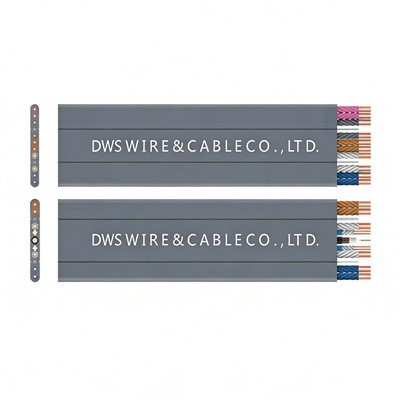
Choosing the right termination method for your screened flexible cable is essential for ensuring the optimal performance and safety of your electrical system. By understanding the different termination methods available and their advantages and disadvantages, you can make an informed decision that meets the specific requirements of your application.
Servo Cable If you have any questions or need further assistance in choosing the right termination method for your screened flexible cable, please feel free to contact us. Our team of experts is always available to provide you with the guidance and support you need. We look forward to working with you to meet your cable termination needs.
References
- "Electrical Wiring Handbook" by Terrell Croft and Wilford Summers
- "Cable Termination and Jointing" by John D. McDonald
- "Handbook of Electrical Installation Practice" by IEE Wiring Regulations
Cixi Davos Wire & Cable Co., Ltd.
As one of the most professional screened flexible cable manufacturers and suppliers in China, we also support customized service. Please feel free to buy bulk high quality screened flexible cable in stock here from our factory. For price consultation, contact us.
Address: No.3, Lane 91, Ruan Ding Road, Linxi Village, Xiaolin Town, Cixi City
E-mail: roy798@163.com
WebSite: https://www.cj-supplychain.com/
