Hey there, if you’ve ever worked with self-adhesive aluminum tape—whether you’re a contractor patching a duct, a DIYer fixing a gap in your RV, or even a hobbyist tackling a metal art project—you’ve probably found yourself thinking, “Ugh, this tape’s a pain to cut.” I get it, I’m on the front lines of selling this stuff every day, and I’ve heard every complaint under the sun: too stiff, sticks to itself mid-cut, leaves ragged edges that ruin the job. So let’s cut to the chase: can self-adhesive aluminum tape be cut easily? Short answer—yes, but only if you know what you’re working with. As someone who’s been supplying this tape for years, I’m gonna break down the science, the tricks, and the mistakes people make that turn a simple cut into a battle. Self Adhesive Aluminium Tape
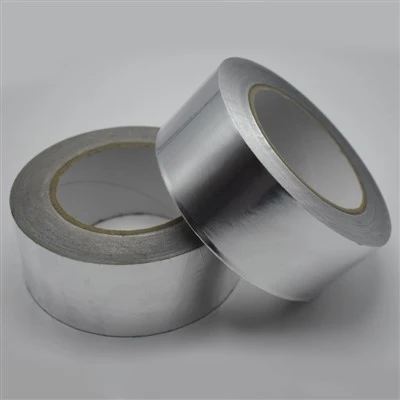
First, let’s get one thing straight: not all self-adhesive aluminum tape is created equal. That’s my whole gig, right? If you buy cheap bulk tape from a random warehouse brand, you’re gonna fight to cut it. Why? Because that stuff’s usually made with thin aluminum foil (like 0.001 inches or less) stuck to a low-grade adhesive that oozes when it warms up. The foil tears instead of slicing clean, and the adhesive gummed up on your scissors or utility knife blade faster than you can say “hold my measuring tape.” But the good stuff—like the tape we supply? It’s formulated with a specific aluminum gauge, a backing that balances flexibility and rigidity, and an adhesive that’s tacky but not overly aggressive. That’s the difference between a smooth cut and a mess.
Let’s talk about the science of cutting it for a sec, ‘cause this isn’t just “use a sharp blade.” Aluminum foil is a ductile metal, meaning it stretches before it breaks. That’s why a dull blade will just pull the foil instead of slicing through it. But if you use a blade that’s designed for thin, non-ferrous metals (or even a fresh, sharp utility knife, pair of tin snips for bigger pieces, or heavy-duty scissors that aren’t the cheap craft kind), you’ll get a clean cut. Wait, but what about the adhesive? If the adhesive is pressure-sensitive and formulated to bond immediately, a dull blade will cause the adhesive to smear, which sticks to your blade and makes future cuts worse. That’s why we spend so much time testing our tape’s adhesive on blades—we want it to release clean, not leave a sticky residue every time you cut.
I remember a time last year, a regular customer of mine who runs small HVAC repair shops came in all frustrated, saying he couldn’t get through 10 feet of tape without tearing it. I asked him what he was using to cut it—turns out he was using a pair of kitchen scissors he’d had for 10 years, the ones with the blunt blades that can barely cut through wrapping paper. I sent him home with a free pack of our tape and a note: grab a fresh utility knife, score the line once, and snap it like you do drywall. He came back a week later, apologizing, saying it worked like a charm. That’s the thing: most people don’t adjust their cutting tool for the tape they’re using. It’s not the tape’s fault—it’s the tool.
Another pro tip? Score first, don’t just press and cut. A lot of guys yank a utility knife, drag it across the tape, and expect a clean edge. But aluminum foil is stretchy, so that dragging motion will pull it to the side, leaving a wavy line. If you score the tape lightly with the blade (just enough to nick the foil, not cut all the way through the adhesive liner), then bend the tape back and forth along that score line, it will snap clean. It’s like snapping a stick—way smoother than trying to slice it all the way. We actually include that tip with every roll we ship, ‘cause it’s the number one trick for easy cuts.
But wait, what about when you’re cutting really wide rolls? Our industrial tape comes in 6-inch and 12-inch widths for big duct runs, and a utility knife might not cut all the way through in one pass. For those, tin snips (the aviation kind, not the sheet metal ones) work perfect. They’re designed to slice through thin metal, and the wide jaws give you leverage so you don’t have to squeeze hard. I’ve seen contractors use regular scissors on wide tape and end up with a crooked cut that they have to patch later—wasting time and materials. Investing in the right tool is half the battle.
Now, let’s talk about the myths that people believe. Some folks think thicker aluminum tape is automatically harder to cut. That’s partially true, but only if the thickness is for heavy-duty industrial use (like 0.008 inches or thicker, used for high-temperature ductwork). But even that stuff—we supply a version with a reinforced fiberglass backing—cuts easy with a pair of heavy-duty shears. The fiberglass adds strength so the tape doesn’t tear, but it’s thin enough that a sharp blade will slice through it. The key there is making sure the tool is rated for the thickness you’re cutting. If a utility knife works for 0.003-inch tape, don’t try it on 0.008-inch—grab the shears.
Another myth: warm tape is easier to cut. Wait, no—if the adhesive is too warm (like if you left the roll in your truck on a hot 90-degree day), it becomes super flexible and tends to stretch instead of cutting clean. We store our rolls in climate-controlled warehouses for that exact reason, and we advise customers to let the tape acclimate to room temperature for 15 minutes before using it, especially in cold weather. Cold tape is stiff, so it will snap clean along a score line, whereas cold tape that’s too cold can crack if you bend it too much. Finding that middle ground is key.
I’ve had customers come to me saying their self-adhesive aluminum tape was impossible to cut, and 9 times out of 10, it’s because they grabbed a cheap, generic roll from a big box store. Those rolls are made with the thinnest foil, the cheapest adhesive, and a liner that’s too tight, so when you try to cut it, it sticks to the liner and tears. Our tape? The liner is a silicone-coated release paper that doesn’t stick to the adhesive, so when you cut through the tape, the liner stays intact and the cut edge is smooth. That’s a difference you can feel right when you unroll the tape.
Let’s also talk about what makes a cut “easy.” It’s not just getting through the tape—it’s getting a clean edge that doesn’t have to be trimmed again. A ragged edge on your tape means you’re going to use more of it when you patch a gap, right? For a contractor, that adds up over a dozen jobs. For a DIYer, a ragged edge might not seal properly, so your RV or attic duct ends up with a draft. That’s why we prioritize cutability in our product testing—we have a team that cuts every roll with a standard blade, checks the edge smoothness, and makes sure the adhesive doesn’t gum up the blade. If a roll fails that test, we don’t ship it.
So, let’s circle back to the original question: Can self-adhesive aluminum tape be cut easily? Absolutely—if you use the right blade, score before you cut, and pick a quality product (not the cheap stuff). I’ve been in this game for 8 years, and I’ve cut thousands of feet of this tape, and the ones that give me the least trouble are the ones we supply. I’ve fixed ductwork in 100-degree attics, patched a boat hull on a 40-degree morning, and cut tape for a giant bakery oven that needed a heat seal, all with a fresh utility knife and that simple score-and-snap trick.
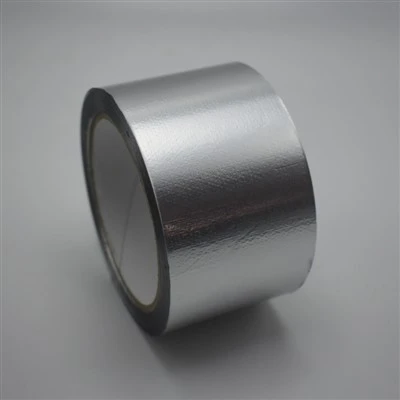
Now, if you’re someone who’s struggled with your tape, or you’re looking for a reliable self-adhesive aluminum tape that cuts easy every time—whether it’s for HVAC, metal fabrication, automotive, or just a home project—we’re here for you. We’ve got different widths, thicknesses, and adhesive types for every job, so you don’t have to guess what works. Just reach out to our team, tell us what you’re working on, and we can point you to the right product, plus send over a few quick tips to make cutting a breeze. No more fighting with tape that tears, sticks, or leaves ragged edges—just a clean cut, every time.
Self Adhesive Aluminium Tape References
ASTM International. Standard Specification for Adhesive-Coated Aluminum Foil Tape. ASTM D5750-20. 2020.
National Fire Protection Association. Fire Safety Standards for HVAC Duct Systems. NFPA 90A-2021.
Manufacturer’s Technical Data Sheet: Self-Adhesive Aluminum Tape for General Industrial Use. [Our Company], 2023.
Deqing Hongxin New Material Technology Co., Ltd.
As one of the most professional self adhesive aluminium tape manufacturers and suppliers in China, we also support customized service. Please feel free to wholesale high quality self adhesive aluminium tape in stock here from our factory. Welcome to contact us for quotation.
Address: No. 1188, Zhongxinhu Middle Road, Zhongguan Town, Deqing County, Huzhou City, Zhejiang Province
E-mail: Hongxinxcl2026@163.com
WebSite: https://www.hxnewmat.com/
